


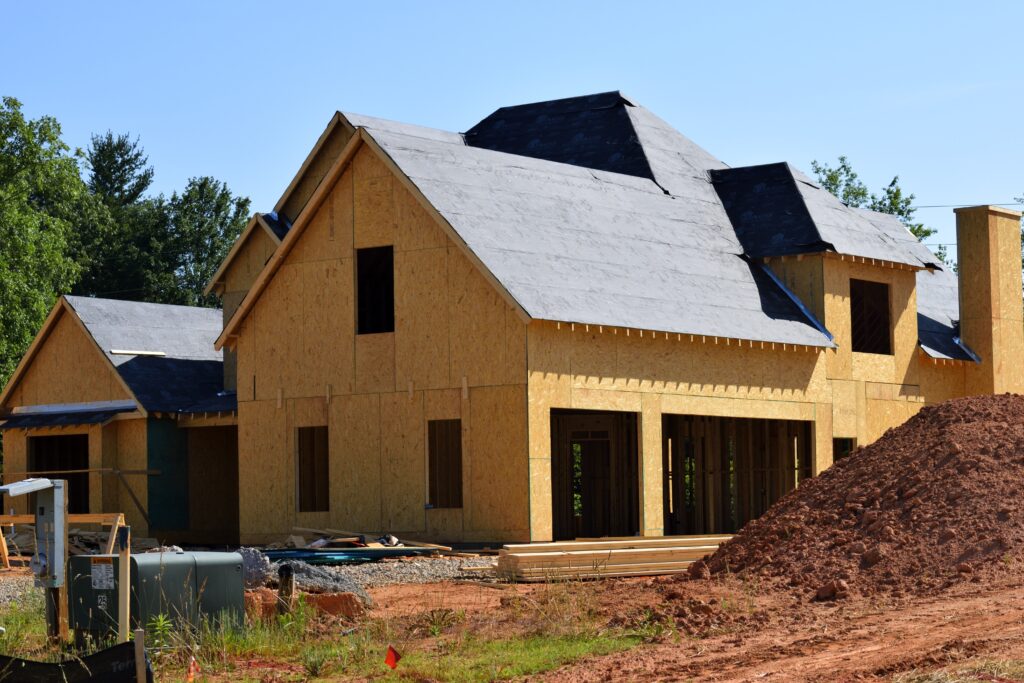
Understanding the Concept of Spec Homes
Spec homes, or speculative homes, are properties that are built by builders without a specific buyer in mind. Instead, builders anticipate that buyers will be interested in the property once it is completed. This construction model allows builders to create homes according to their vision, which can be appealing to buyers who want a new, move-in ready home without the wait or decision-making involved in custom home building.
However, while building spec homes can be profitable, it is not without risks. There are several common mistakes that builders often make when embarking on spec home projects. By understanding and avoiding these pitfalls, you can increase your chances of successfully building and selling spec homes.
Avoiding Poor Location Choices
One of the most critical aspects of building Spec Homes is choosing the right location. While it might be tempting to select a cheap plot of land to maximize profits, this strategy can backfire if the location is not appealing to potential buyers. Poor location choices can include areas with high crime rates, poor school districts, or low accessibility to amenities like shopping centers and parks.
Instead, research the local real estate market thoroughly before making a decision. Look at factors like property value trends, neighborhood demographics, and future development plans. Ideally, you want to build your spec home in a location that is in high demand but still affordable for your target market.
Overlooking Market Trends and Demographics
Another common mistake in spec home building is not taking into account market trends and demographics. It’s crucial to understand who your potential buyers are and what they are looking for in a home. For instance, if you’re building in a neighborhood popular among young families, incorporating family-friendly features like multiple bedrooms and a large backyard can make your home more appealing.
On the other hand, if you’re targeting a market of downsizers or retirees, a smaller, single-story home with accessibility features might be a better choice. Stay updated with real estate market trends, and design your spec home to meet the needs and preferences of your target market.
Not Properly Budgeting the Project
Financial mismanagement is a significant pitfall in any construction project, and spec homes are no exception. Underestimating costs, not setting aside a contingency fund for unexpected expenses, and not securing adequate financing can all lead to financial stress and even project failure.
Before starting the project, create a detailed budget that includes everything from land costs, construction materials, labor costs, marketing expenses, and closing costs. Also, ensure that you have secured enough financing to cover all these costs plus a contingency fund. Financial planning is a key aspect of a successful spec home project.
Compromising on Quality
When building a Spec Home, it’s crucial not to compromise on quality to save on costs. While it might be tempting to opt for cheaper materials or workmanship, this can lead to problems down the line. A poorly built home can lead to negative reviews, difficulty selling the property, and even potential legal issues.
Instead, focus on building a high-quality home that will stand the test of time. This doesn’t necessarily mean you have to opt for the most expensive materials and finishes. Instead, find a balance between cost and quality, and ensure that the home is built to a high standard of workmanship.
Conclusion
Building spec homes can be a profitable venture, but it’s crucial to avoid common mistakes. By choosing a desirable location, understanding your target market, budgeting properly, and not compromising on quality, you can increase your chances of success. Remember, building a spec home is not just about creating a beautiful property; it’s also about building a home that meets the needs and preferences of potential buyers.
FAQs
What is a spec home?
A spec home, short for speculative home, is a home that a builder constructs in anticipation of finding a buyer. The builder makes decisions about the design and features of the home without a specific buyer’s input.
What are the risks involved in building spec homes?
The risks involved in building spec homes include financial risk if the home does not sell quickly, the risk of market fluctuations affecting the home’s value, and the risk of making design choices that do not appeal to buyers.
How can I mitigate the risks involved in building spec homes?
To mitigate the risks, builders should conduct thorough market research to understand the needs and preferences of their target market. They should also choose a desirable location, budget properly, and ensure the home is built to a high standard of quality.