

When violence erupts in a place meant for relaxation and connection, it shakes a community to its core. The phrase Franklin Park shooting has surfaced in news searches because it represents more than an incident—it represents broken expectations. Parks are supposed to be safe, shared spaces. When that safety is disrupted, questions follow quickly.
This article focuses on understanding the event responsibly: what is known, how communities respond, and—most importantly—how prevention and healing move forward.
Introduction to the Franklin Park Shooting
Reports of a shooting associated with Franklin Park prompted concern, grief, and a desire for clarity. As with many breaking-news situations, early information can be incomplete or evolving. That uncertainty is hard, especially for residents who rely on public spaces for daily life.
The goal here isn’t to amplify fear. It’s to provide context and perspective.
What Is Franklin Park and Why It Matters
Franklin Park as a Community Space
Across the U.S., parks named “Franklin Park” serve as green anchors—places for families, joggers, kids, and community events. These spaces symbolize openness and togetherness. When violence occurs there, it feels personal to people who visit often.
A park isn’t just land; it’s shared trust.
Overview of the Franklin Park Shooting
What Is Known vs What Remains Unclear
In incidents like this, verified facts typically include the location, the presence of emergency responders, and confirmation that an investigation is underway. Details about motive, exact circumstances, or responsibility may take time to confirm.
Responsible reporting separates confirmed facts from speculation.
Timeline of Events
Immediate Response and Emergency Services
Emergency services are usually dispatched rapidly after reports of gunfire. Securing the area, assisting injured individuals, and ensuring there’s no ongoing threat come first. These steps happen quickly—and often under intense pressure.
The speed of response can save lives.
Victims and Those Affected
Beyond the Headlines
While headlines focus on numbers, the real impact spreads wider—families, witnesses, first responders, and neighbors all carry emotional weight. Even people not physically present can feel shaken when a familiar place becomes a crime scene.
Trauma doesn’t follow neat boundaries.
Law Enforcement Response and Investigation
Public Safety Measures
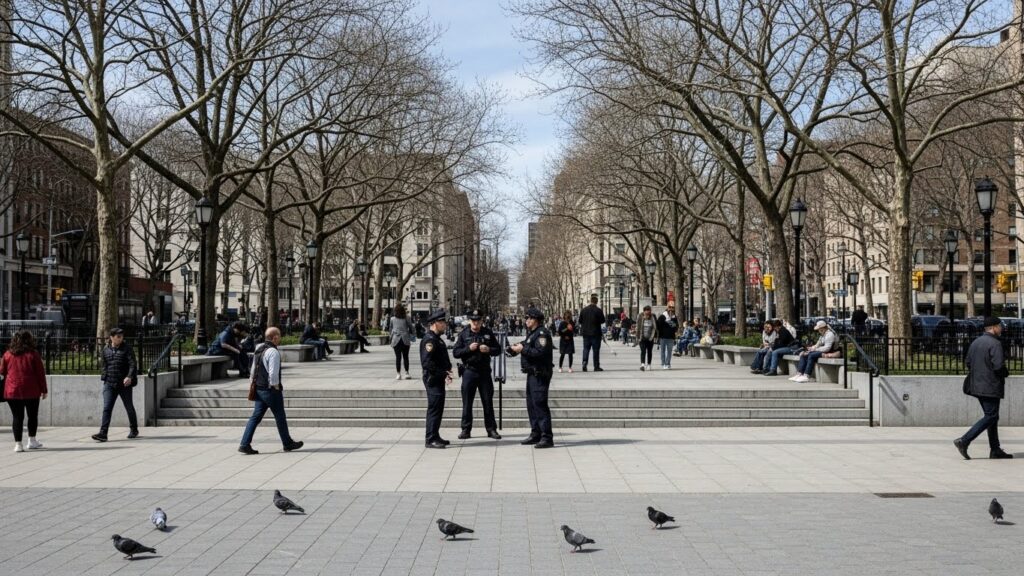
After an incident, law enforcement typically increases presence in the area, canvasses for information, and asks the public for tips. These measures aim to restore safety and confidence while the investigation continues.
Information Releases and Transparency
Authorities often release updates as facts are verified. This careful pace helps prevent misinformation, even if it feels slow to a worried public.
Accuracy matters more than speed.
Community Reaction and Public Sentiment
Grief, Vigil, and Solidarity
Communities often respond with vigils, memorials, and gatherings that honor victims and affirm shared values. These moments don’t erase pain, but they create space for collective support.
Healing is rarely quiet.
Media Coverage and Public Perception
Media plays a powerful role in shaping understanding. Responsible coverage avoids sensationalism, centers verified facts, and includes resources for those affected.
How a story is told can either inflame fear or encourage resilience.
The Broader Context of Park-Related Violence
Why Public Spaces Become Flashpoints
Public spaces are open by design. That openness can make them vulnerable when conflicts spill over or when individuals in crisis lack support. Understanding this context helps communities plan smarter safety measures.
Prevention starts with realism.
Mental Health, Conflict, and Prevention
Warning Signs and Early Intervention
Many violent incidents are preceded by warning signs—escalating conflicts, untreated mental health challenges, or access issues. Community-based intervention programs can interrupt these pathways before harm occurs.
The best response is the one that happens earlier.
Policy and Safety Discussions After the Incident
Following a shooting, conversations often turn to policy: patrol strategies, community programs, lighting, event planning, and support services. Productive discussions focus on practical steps rather than blame.
Progress comes from cooperation.
How Communities Can Improve Park Safety
Design, Lighting, and Presence
Evidence-based strategies include:
-
Better lighting and sightlines
-
Regular patrols or park ambassadors
-
Clear event permitting and staffing
-
Community activities that increase positive presence
Safety grows where people feel seen.
Supporting Victims and Families
Long-term support includes counseling access, compensation resources, and ongoing community check-ins. Recovery doesn’t end when the news cycle moves on.
Care must outlast attention.
Responsible Information Sharing
In moments of crisis, rumors spread fast. Sharing only verified information—and correcting mistakes quickly—helps protect both investigations and community trust.
Silence can be harmful, but misinformation is worse.
Lessons Learned from the Franklin Park Shooting
Every incident leaves lessons: about preparedness, communication, and the importance of proactive community care. Applying those lessons respectfully honors those affected.
Learning is a form of remembrance.
Conclusion
The Franklin Park shooting is a reminder that safety in public spaces requires constant care, honest dialogue, and community partnership. While the pain of such incidents is real, so is the capacity for resilience. By focusing on verified information, compassionate response, and practical prevention, communities can move forward—together.
FAQs – Franklin Park Shooting
1. What happened in the Franklin Park shooting?
Reports indicate a shooting occurred in or near Franklin Park, prompting emergency response and an ongoing investigation. Details may evolve as authorities confirm information.
2. Is Franklin Park safe to visit now?
After incidents, law enforcement typically increases presence and implements safety measures. Always follow official guidance and updates.
3. Why does information sometimes change after breaking news?
Early reports can be incomplete. Authorities update details as facts are verified to avoid spreading misinformation.
4. How can communities help prevent similar incidents?
Prevention includes early intervention, mental health support, smart park design, community presence, and clear communication channels.
5. Where can people affected find support?
Local governments and nonprofits often provide counseling resources, victim assistance programs, and community support services.