


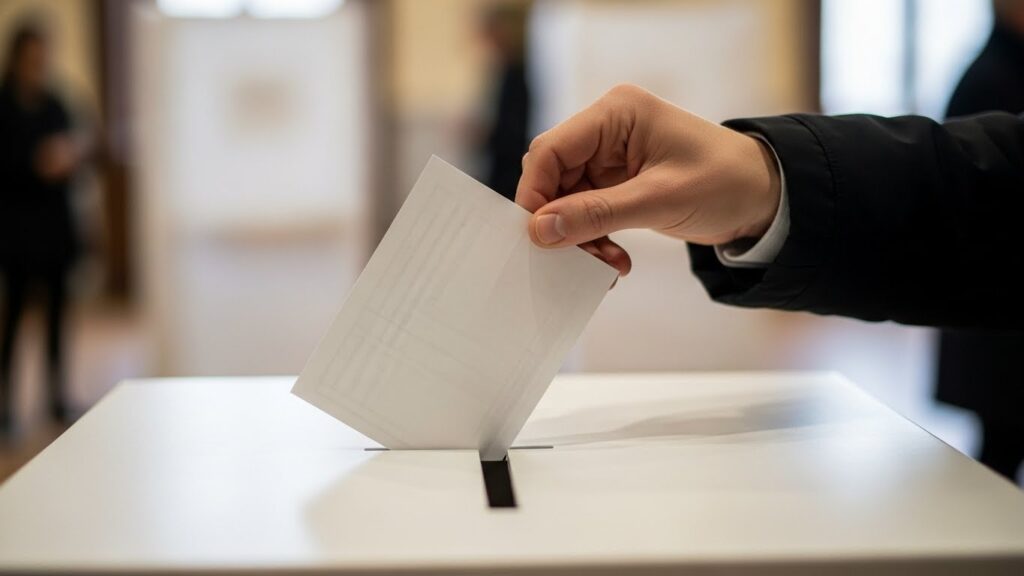
Every election season, the same question pops up like a stubborn headline: should voting be mandatory? Some argue it’s the missing ingredient for a healthy democracy. Others see it as government overreach, forcing participation where choice should reign supreme. It’s a debate that sits right at the intersection of rights, responsibility, and representation.
So let’s slow down, take a breath, and unpack it—one argument at a time.
Introduction to Mandatory Voting
Voting is often described as the heartbeat of democracy. Yet in many countries, voter turnout remains stubbornly low. Mandatory voting enters the conversation as a possible solution—controversial, yes, but intriguing.
The core idea is simple: if everyone votes, democracy works better. But is it really that simple?
What Does Mandatory Voting Mean?
Mandatory voting means that eligible citizens are legally required to participate in elections. This doesn’t necessarily mean they must choose a candidate—they may be allowed to submit a blank or invalid ballot.
How Mandatory Voting Works in Practice
In practice, mandatory voting systems usually:
-
Require citizens to show up or submit a ballot
-
Allow abstention through blank votes
-
Impose small penalties for non-participation
It’s more about participation than persuasion.
The Origins of Mandatory Voting
Countries That Require Voting
Several democracies have adopted mandatory voting to boost participation. These systems often emerged from concerns that low turnout undermines democratic legitimacy.
History shows that disengagement isn’t new—it’s persistent.
Why the Question of Mandatory Voting Matters Today
Modern democracies face declining trust, political polarization, and voter apathy. When large segments of society stay home on election day, elected leaders may represent only a fraction of the population.
That’s not just a turnout problem—it’s a legitimacy problem.
Arguments in Favor of Mandatory Voting
Supporters of mandatory voting often frame it as a civic obligation rather than a personal preference.
Higher Voter Turnout
This is the strongest argument. Mandatory voting almost always leads to higher participation. When voting becomes the norm, turnout jumps—and stays high.
Democracy looks healthier when more people show up.
Stronger Democratic Legitimacy
When election results reflect the will of nearly all citizens, governments gain stronger legitimacy. Laws and policies carry more moral weight when they’re backed by broad participation.
A louder chorus is harder to ignore.
Equal Representation Across Society
Voluntary voting systems often favor wealthier, older, and more educated voters. Mandatory voting helps balance the scales by bringing marginalized voices into the process.
Reducing Political Inequality
When everyone votes, politicians can’t afford to cater only to a motivated minority. Policy platforms become more inclusive by necessity.
Participation reshapes priorities.
Civic Duty vs Personal Choice
Is voting like paying taxes or like choosing a religion? That’s the philosophical heart of this debate. Supporters say voting is a duty we owe each other. Critics say duty without choice isn’t democratic.
The line between obligation and coercion is thin.
Arguments Against Mandatory Voting
Critics of mandatory voting raise serious concerns that go beyond inconvenience.
Freedom of Choice and Individual Rights
The most common objection is simple: people should have the right not to vote. Forcing participation can feel like punishing political disengagement.
Democracy, some argue, includes the freedom to opt out.
Risk of Uninformed Voting
If people are required to vote, some may do so without understanding the issues or candidates. This could dilute informed decision-making.
A rushed vote isn’t always a thoughtful one.
Mandatory Voting and Political Engagement
Does Forcing Participation Increase Awareness?
Supporters argue that mandatory voting nudges citizens to pay attention. Critics counter that compulsion breeds resentment, not engagement.
The question is whether participation leads to interest—or just compliance.
The Role of Penalties and Enforcement
Fines, Sanctions, and Compliance
Most mandatory voting systems impose mild penalties, such as small fines. Enforcement is often flexible, with exemptions for illness or hardship.
The goal isn’t punishment—it’s normalization.
Mandatory Voting vs Voluntary Voting Systems
Voluntary systems prioritize freedom but often struggle with low turnout. Mandatory systems prioritize inclusion but raise ethical concerns.
It’s a trade-off between liberty and participation.
Impact on Political Campaigns and Parties
When turnout is guaranteed, political campaigns change. Instead of mobilizing supporters, parties focus on persuasion and policy clarity.
Campaigns become less about turnout and more about ideas.
Ethical Considerations of Mandatory Voting
Is it ethical to compel political behavior? Some say yes—because democracy depends on collective action. Others argue ethics demand consent, not coercion.
There’s no easy moral answer here.
Mandatory Voting in the Digital Age
With online registration, early voting, and mail-in ballots, participation is easier than ever. Some argue these tools reduce the need for mandates.
Access may matter more than obligation.
Alternatives to Mandatory Voting
Encouragement, Education, and Access
Alternatives include:
-
Civic education
-
Election holidays
-
Easier registration
-
Better outreach
These methods respect choice while promoting engagement.
What Citizens Think About Mandatory Voting
Public opinion is mixed. Some welcome the idea as fair and necessary. Others view it as intrusive. Acceptance often depends on trust in government.
Trust shapes tolerance.
Should Voting Be Mandatory in the Future?
There’s no universal answer. Mandatory voting works well in some contexts and poorly in others. Cultural norms, political trust, and enforcement matter.
What works for one democracy may fail in another.
Conclusion
So, should voting be mandatory? The answer depends on what we value most. If participation and equality are paramount, mandatory voting makes a strong case. If freedom of choice is sacred, compulsion feels wrong. Democracy thrives on balance—between rights and responsibilities, freedom and fairness. The real challenge isn’t just getting people to vote, but ensuring they believe their vote truly matters.
FAQs – Should Voting Be Mandatory?
1. Does mandatory voting mean forced political opinions?
No. Citizens can submit a blank ballot and still comply with the law.
2. Does mandatory voting improve democracy?
It increases turnout and representation, but its impact on engagement varies.
3. Are penalties for not voting severe?
Usually no—most systems use small fines or administrative reminders.
4. Can mandatory voting violate human rights?
Some argue it limits personal freedom, while others see it as a civic duty.
5. Is mandatory voting the only way to increase turnout?
No. Education, access, and trust-building can also improve participation.