


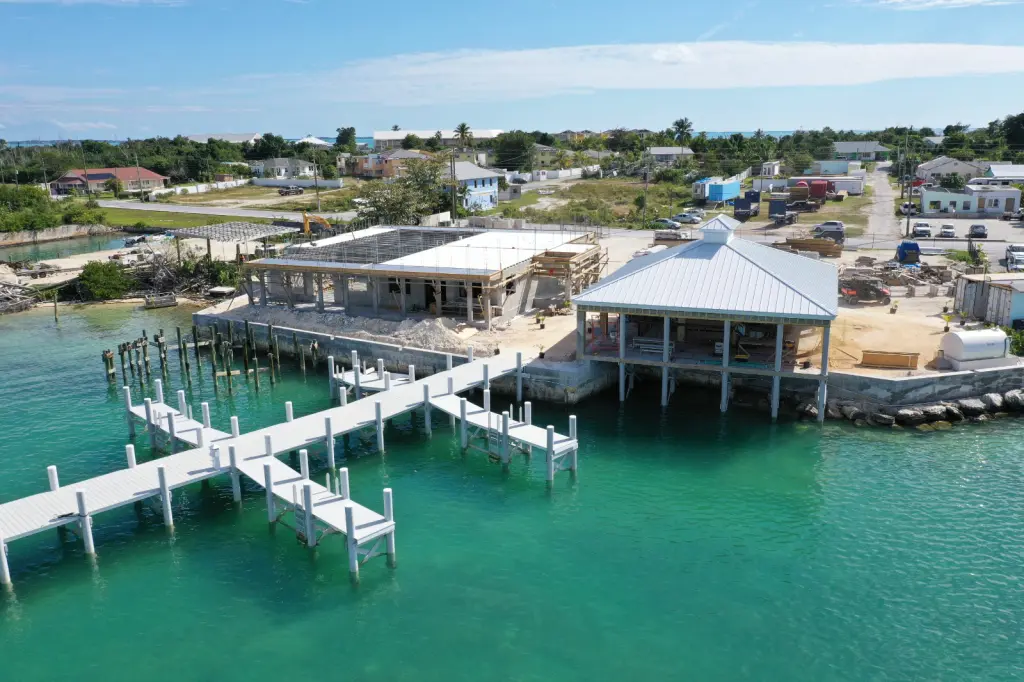
Investing in a new dock or rebuilding an old one is a significant commitment for any Long Island waterfront homeowner. This structure is more than a place to tie up a boat; it’s an extension of your property, a hub for recreation, and a major financial investment that must withstand the unique challenges of our local marine environment. The difference between a decades-lasting asset and a recurring headache often comes down to the contractor you hire.
Choosing the right Long Island dock builder requires moving beyond a simple price comparison. It demands a methodical evaluation of a contractor’s local expertise, technical skill, and business integrity. The saltwater, tides, storms, and regulatory landscape here present specific hurdles that a generic builder may not fully appreciate or be equipped to handle.
This guide will walk you through the essential steps to vet potential contractors, ask the right questions, and ultimately select a partner who will deliver a safe, durable, and compliant dock that enhances your property for years to come.
Understanding Your Project Scope and Local Regulations
Before you speak to a single contractor, you must define what you need. A clear project scope is your most powerful tool for obtaining accurate, comparable bids and ensuring the final build meets your expectations.
Start by outlining your primary use cases. Is the dock for a single small powerboat, or do you need space for multiple vessels, kayak launches, or social gatherings? Consider materials: pressure-treated pine is cost-effective, while composite decking offers low maintenance and longevity. Vinyl pilings resist marine borers, and aluminum framing is lightweight and strong. Your intended use, budget, and desired maintenance level will guide these choices.
Crucially, you must understand the regulatory framework. Long Island’s waterfront is governed by a complex web of local, state, and federal regulations. The New York State Department of Environmental Conservation (DEC) and the U.S. Army Corps of Engineers often have jurisdiction. Most municipalities also have their own zoning and building codes governing setbacks, height, and environmental protections. A reputable Long Island Dock Builder will not only know these rules but will often manage the permit application process on your behalf. Starting this dialogue early prevents costly redesigns or legal issues down the line.
Vetting Potential Dock Builders: Credentials and Experience
With a project outline in hand, you can begin compiling a shortlist of contractors. This phase is about separating qualified specialists from generalists.
Verify Licenses, Insurance, and Bonding Any contractor working on your property must be properly licensed. In New York, check for a valid home improvement contractor license. More important is insurance: they must carry both general liability and worker’s compensation insurance. Request certificates of insurance and verify they are current. Bonding provides you with financial recourse if the project is not completed. Never proceed with a builder who cannot or will not provide this documentation.
Assess Local Experience and Portfolio Long Island’s estuaries, sound, and oceanfront each present different conditions—from soft, silty bottoms to rocky shores and heavy wave action. Ask how long the builder has been operating locally and request a portfolio of completed projects. Look for docks built in environments similar to yours. A seasoned local builder will have solutions for common issues like ice damage in the winter or shifting sands in the summer.
Seek and Contact References A confident builder will provide a list of recent client references. Don’t just collect the list—use it. Contact at least three past clients and ask specific questions: Was the project completed on time and on budget? How did the builder handle unexpected challenges? Was the site left clean? How has the dock held up over a few seasons? Visit a completed project if possible to see the quality of workmanship firsthand.
Evaluating Proposals and Communication
Once you’ve narrowed your list to two or three qualified builders, request detailed, written proposals. A quality proposal is a blueprint for the entire project, not just a bottom-line number.
A comprehensive proposal should include:
- A detailed scope of work, listing all materials by type, grade, and quantity.
- A construction timeline with start and substantial completion dates.
- A clear payment schedule, typically tied to project milestones.
- Information on who is responsible for obtaining necessary permits.
- Warranty information for both materials and labor.
- A plan for site cleanup and disposal of old materials.
Compare these documents line by line. A significantly low bid often indicates subpar materials, insufficient labor estimates, or hidden costs that will appear later. Pay close attention to how each builder communicates during this process. Are they prompt, clear, and willing to explain technical details? The proposal stage is a strong indicator of how the entire project will be managed. A transparent and communicative partner is invaluable.
The Importance of a Solid Contract and Warranty
The proposal leads to the contract, which is your legal protection. Never begin work based on a handshake or a vague proposal. Your contract should incorporate every detail from the accepted proposal, making it the single governing document for the project.
Key contract clauses to ensure are present include:
- A detailed payment schedule: Avoid large upfront payments. Payments should be tied to the delivery of materials and completion of clear milestones (e.g., “30% upon completion of piling installation”).
- A change order process: This formalizes how any changes to the scope, timeline, or cost after signing will be documented and approved by both parties.
- Permit and inspection responsibility: It should state unequivocally that the builder is responsible for securing all required permits and scheduling inspections.
- A clear warranty: Understand exactly what is covered. Most quality builders offer a 1-2 year warranty on workmanship. Material warranties are typically provided by the manufacturer and should be passed on to you. The contract should specify how warranty claims are handled.
A professional Long Island Dock Builder will use a clear, thorough contract and will not pressure you to sign without review. Taking the time to understand this document is non-negotiable.
Planning for the Build and Long-Term Maintenance
After signing the contract, preparation begins. Discuss access to the property, storage for materials, and protection for your landscaping. Establish a primary point of contact for day-to-day questions. While you’ve hired a professional to manage the build, periodic check-ins are reasonable.
Once your new dock is complete, its longevity depends on proper maintenance. Your builder should provide you with a maintenance guide specific to the materials used. This might include annual inspections for loose hardware, cleaning composite decking, or reapplying sealant to wood. Understanding these requirements upfront helps you budget time and money for upkeep, protecting your investment. A well-built dock from a qualified contractor should require minimal repair, but proactive care is essential in our marine climate.
Frequently Asked Questions
How long does it typically take to build a dock on Long Island?
The timeline varies greatly based on size, complexity, and permitting. A simple, pre-fabricated dock might be installed in a few days once materials are on-site. A large, custom-built dock with driven pilings can take several weeks to construct. The permitting process can add 2 to 4 months (or more) to the overall timeline, which is why starting early and hiring an experienced local builder is crucial.
What is the most durable low-maintenance dock material?
For the decking surface, composite materials (a blend of wood fiber and plastic) are highly popular for their durability, resistance to rot and insects, and minimal upkeep—they require no staining or sealing. For the structural frame and pilings, aluminum and vinyl are excellent low-maintenance choices that resist corrosion and marine borers far better than traditional pressure-treated wood.
Do I need a permit to repair my existing dock?
It depends on the extent of the repair. Minor maintenance like replacing a few deck boards usually doesn’t require a permit. However, any structural repair, replacement of pilings, or expansion of the dock’s footprint almost always requires approval from the DEC and possibly other agencies. Always consult with your local building department or a professional builder before starting work.
Can I build a dock any time of year?
While construction can occur year-round, the ideal window on Long Island is late spring through early fall. Frozen ground can make piling installation difficult, and winter weather poses safety and scheduling challenges. Furthermore, many environmental reviews for permits restrict in-water work to specific “fish windows” to protect aquatic wildlife, which often fall outside winter months.
What questions should I ask a dock builder during the first consultation?
Ask about their specific experience with projects in your body of water, request proof of insurance and licensing, ask who will pull the necessary permits, inquire about their expected project timeline from permit to completion, and ask for a list of references you can contact. Their answers will immediately reveal their level of professionalism and local expertise.
Conclusion
Selecting the right dock builder is a deliberate process that prioritizes due diligence over haste. By thoroughly defining your project, vetting contractors for local experience and proper credentials, and carefully reviewing proposals and contracts, you invest not just in a structure, but in peace of mind. The goal is to find a skilled partner who views your project as a long-term asset, not a short-term job.
A well-constructed dock becomes a seamless part of your waterfront living, providing reliable service and enjoyment for decades. The time and effort spent in choosing a qualified, communicative, and reputable Long Island dock builder will pay dividends every time you use your new waterfront space, ensuring it stands strong against the tides and seasons.