


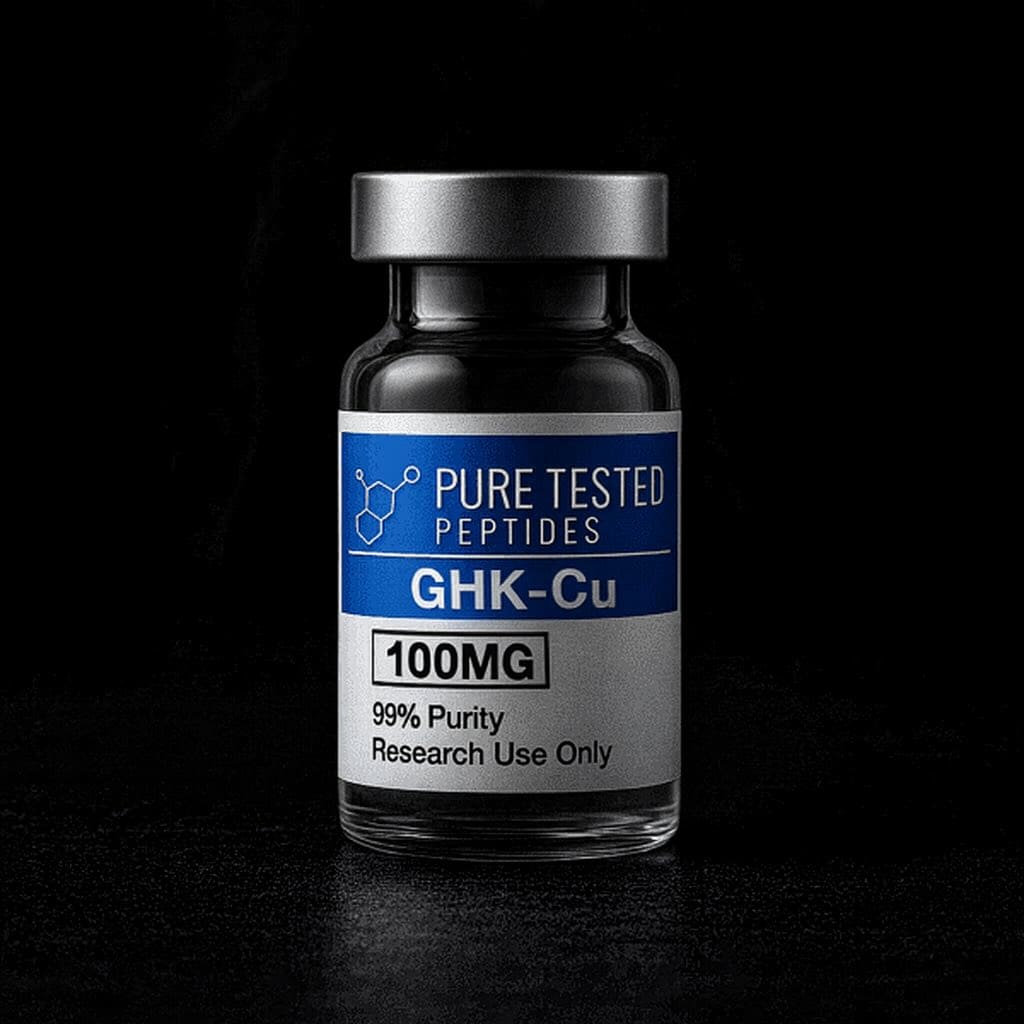
Introduction: The Growing Interest in Peptides
In recent years, peptides have captured the attention of scientists, researchers, and fitness enthusiasts alike. These small chains of amino acids are playing a growing role in biotechnology, scientific research, and health-related studies. But what exactly makes peptides so important?
Imagine tiny messengers traveling through your body, delivering instructions to cells about what they should do next. That’s essentially what peptides are. They help regulate biological processes such as hormone production, tissue repair, immune function, and even metabolism.
Because of their targeted effects, peptides are becoming increasingly popular in research environments. Scientists continue to explore how different peptide chains can influence specific biological responses, opening the door to exciting possibilities in medicine and human performance.
In this article, we’ll explore what peptides are, why they matter, their common research uses, and how to find reliable sources for high-quality peptide compounds.
What Are Peptides?
A Simple Definition of Peptides
Peptides are short chains of amino acids linked together by peptide bonds. Amino acids are the building blocks of proteins, and peptides represent smaller segments of these chains.
If proteins are like long novels, peptides are short but powerful sentences that carry important instructions. Despite their small size, peptides play a crucial role in many biological systems.
Natural Peptides in the Human Body
The human body naturally produces thousands of peptides. Each type has a specific role, helping cells communicate and coordinate functions.
Some natural peptides regulate hormones, while others influence the immune system, digestion, or tissue repair. This natural presence is one reason peptides are heavily studied in scientific research.
Why Peptides Are Important in Scientific Research
Targeted Biological Signaling
One of the most fascinating aspects of peptides is their precision. They bind to specific receptors on cells, triggering targeted biological responses.
This ability allows researchers to study individual pathways within the body without affecting unrelated systems.
Potential Applications Across Many Fields
Peptides are currently being explored in multiple research areas, including:
- Endocrinology
- Metabolic studies
- Skin and anti-aging research
- Muscle growth studies
- Regenerative medicine
Their versatility makes them valuable tools for understanding complex biological processes.
The Science Behind Peptide Function
Cell Communication
Cells in the body constantly communicate with one another. Peptides act like communication signals that carry messages between cells.
When a peptide binds to a receptor on a cell surface, it activates a response within that cell. This process can trigger hormone release, stimulate tissue growth, or regulate metabolism.
Hormone Regulation
Certain peptides play a role in controlling hormone production. Instead of introducing synthetic hormones, some peptides signal glands in the body to produce hormones naturally.
This makes peptides a major topic of interest in hormone-related research.
Common Types of Peptides Studied
Growth Hormone Releasing Peptides
Growth hormone releasing peptides, often called GHRPs, are frequently studied in research environments. These peptides interact with receptors in the pituitary gland, encouraging the natural release of growth hormone.
Researchers analyze their potential influence on muscle development, fat metabolism, and recovery processes.
Collagen Peptides
Collagen peptides are widely studied for their potential effects on skin elasticity and joint health. Collagen is the most abundant protein in the body, and peptides derived from it may help support tissue strength.
Repair and Regeneration Peptides
Some peptides are investigated for their potential ability to stimulate tissue regeneration. These peptides may support healing processes and are often explored in sports recovery research.
The Rising Demand for Peptides
Fitness and Performance Research
In the fitness world, peptides have become a major topic of research due to their possible role in muscle recovery and growth hormone stimulation.
Athletes and researchers alike are interested in understanding how peptides might influence physical performance and recovery cycles.
Anti-Aging Studies
Another rapidly growing area of peptide research focuses on aging. Scientists are exploring peptides that may support collagen production, skin health, and cellular regeneration.
This has made peptides particularly interesting in dermatology and longevity research.
Quality Matters When Purchasing Peptides
The Importance of Purity
When working with peptides in a research setting, purity is critical. Impure compounds can interfere with experiments and lead to unreliable results.
High-quality peptides should meet strict purity standards and undergo thorough testing.
Reliable suppliers offering Peptides for Sale typically emphasize laboratory testing and strict quality control procedures.
Testing and Verification
Most reputable peptide suppliers verify their products using advanced laboratory techniques such as:
- High-performance liquid chromatography (HPLC)
- Mass spectrometry
These testing methods confirm the identity and purity of peptide compounds.
How Peptides Are Synthesized
Solid-Phase Peptide Synthesis
Modern peptides are commonly produced using a method known as solid-phase peptide synthesis. This technique allows scientists to construct peptide chains with high precision.
The process involves attaching amino acids one by one to form the desired sequence.
Purification and Analysis
After synthesis, peptides undergo purification to remove unwanted byproducts. Laboratory analysis ensures that the final product matches the intended structure and purity level.
How to Store Peptides Properly
Temperature Control
Peptides are sensitive molecules that can degrade if not stored properly. Many peptides require refrigeration or freezing to maintain stability.
Proper storage conditions help preserve their integrity during research use.
Protection From Contamination
Researchers must handle peptides carefully to prevent contamination. Using sterile tools and maintaining controlled environments are essential for accurate research outcomes.
Identifying a Reliable Peptide Supplier
Transparency and Testing Data
A trustworthy supplier provides detailed information about their peptide products, including purity levels and testing procedures.
Transparency builds confidence among researchers and ensures product quality.
Positive Reputation in the Research Community
Suppliers with strong reputations often receive consistent positive feedback from scientists and researchers.
Reliable vendors prioritize customer satisfaction and maintain strict manufacturing standards.
Clear Product Descriptions
High-quality suppliers include clear details about peptide sequences, storage requirements, and recommended research use.
Where to Find High-Quality Peptides
As peptide research expands, more suppliers are entering the market. However, not all vendors maintain the same quality standards.
Researchers typically look for companies that emphasize purity, testing, and proper storage practices. If you’re searching for research-grade compounds, you may want to Buy Peptides for Sale from suppliers that focus on verified laboratory quality.
The Future of Peptide Research
Advancements in Biotechnology
The future of peptide science looks incredibly promising. With advances in biotechnology, scientists can design peptides that target highly specific biological pathways.
This level of precision may lead to breakthroughs in medical treatments and therapeutic development.
Expanding Research Opportunities
Researchers are continually discovering new peptides and exploring their functions. As technology improves, the ability to study these compounds becomes more efficient and accessible.
This could unlock new possibilities in fields ranging from medicine to performance science.
Ethical and Regulatory Considerations
Research Use Only
Many peptides sold online are intended strictly for laboratory research. They are not approved for human consumption unless regulated by appropriate medical authorities.
Researchers should always follow ethical guidelines when handling peptide compounds.
Understanding Local Regulations
Laws regarding peptides vary between countries and regions. Before purchasing or using peptides in research, it’s important to understand the legal regulations in your area.
Conclusion
Peptides may be small molecules, but their impact on biological research is enormous. Acting as powerful cellular messengers, they help regulate countless processes within the body, from hormone production to tissue repair.
Because of their precision and versatility, peptides have become valuable tools in scientific exploration. Researchers across multiple disciplines continue to study how these compounds influence human biology and how they might contribute to future medical breakthroughs.
However, the success of peptide research depends heavily on product quality. Choosing reliable suppliers that prioritize purity, testing, and transparency ensures that researchers can obtain accurate and dependable results.
As scientific interest grows, peptides will likely remain at the forefront of innovation in biotechnology and health research.
FAQs
- What are peptides made of?
Peptides are composed of short chains of amino acids connected by peptide bonds.
- Why are peptides important in research?
They allow scientists to study specific biological pathways because they interact with targeted receptors in the body.
- How are peptides different from proteins?
Peptides are shorter chains of amino acids, while proteins are larger and more complex structures.
- How should peptides be stored in laboratories?
Most peptides should be stored in refrigerated or frozen environments to maintain stability and prevent degradation.
- Are peptides approved for human consumption?
Most peptides sold online are intended only for research purposes unless approved by regulatory authorities.