

Modern health tracking is no longer confined to sterile, clinical devices. The evolution of wearable technology has placed sophisticated sensors on wrists worldwide, turning personal data collection into a daily habit. Yet, for many, the experience remains impersonal. A standard, utilitarian band can feel disconnected from your identity and style, subtly undermining the motivation needed for consistent use. The solution lies not in more data, but in a more integrated experience. By pairing advanced sensors with a band that reflects your personal aesthetic, you bridge the gap between function and self-expression. This fusion makes the act of tracking your health easier, more engaging, and ultimately more sustainable.
The principle is straightforward: when you enjoy wearing your device, you wear it more consistently. Consistency is the bedrock of any effective health monitoring regimen. Missed days create gaps in data, rendering trends unreliable and insights incomplete. A band that you find genuinely attractive increases adherence. It becomes a piece of your wardrobe, not just a piece of tech. Furthermore, this approach addresses a practical barrier—comfort. Many default bands, especially silicone, can cause irritation during prolonged wear or intense activity. Swapping to a material that suits your skin and lifestyle removes a physical deterrent to use. When tracking is effortless and enjoyable, the data flows uninterrupted, and your goals become more attainable.
This article will explore how the intentional choice of your watch’s accessory directly impacts the utility of the device itself. We’ll examine the psychological and practical benefits, provide guidance on selecting bands for different tracking needs, and outline how style can transform a health tool into a health companion.
The Psychology of Adherence: Why Style Matters in Health Tech
A fitness tracker or smartwatch is a tool of behavior change. Its primary function is to measure, but its ultimate success depends on persuading you to act. Clinical studies on habit formation consistently highlight the importance of reducing friction and increasing reward. A device that feels foreign or unattractive introduces friction. Every time you consider leaving it off because it clashes with your outfit or feels uncomfortable, you face a micro-decision that can break your routine.
Conversely, a band you like provides a micro-reward. It satisfies a desire for self-expression and aesthetic pleasure. This positive association reinforces the habit of wearing it. You’re not just putting on a sensor; you’re completing your look. For activities like all-day heart rate monitoring or sleep tracking, which require 24/7 wear, this psychological boost is critical. A stylish band makes the device feel less like an imposition and more like a choice.
This isn’t merely about vanity; it’s about usability. If the tool integrates seamlessly into your life, you use it more effectively. The data becomes more accurate because it’s collected more regularly. Goals based on that data become more meaningful because you’re more connected to the device that’s helping you achieve them.
Practical Benefits: Comfort, Durability, and Function
Beyond psychology, the material and construction of your band deliver tangible advantages that simplify tracking.
Comfort for Continuous Wear Default silicone bands are functional but can trap sweat, cause skin chafing during long workouts, or feel restrictive. Alternatives like breathable nylon, soft leather, or flexible metal mesh can mitigate these issues. A comfortable band means you’re less likely to remove your watch after a run or during a workday. This is essential for capturing comprehensive activity data, continuous stress metrics, and uninterrupted sleep cycles.
Durability for Active Lifestyles If you’re tracking hikes, gym sessions, or swims, your band must withstand the environment. A high-quality band made from materials like stainless steel or rugged, quick-dry fabric ensures your device stays securely on your wrist through all activities. The reliability of the hardware directly affects the reliability of the data. A band that fails mid-activity isn’t just an inconvenience; it’s a data loss.
Quick-Swap Functionality for Multi-Activity Tracking Your tracking needs may change throughout the day: a sweat-resistant band for a morning workout, a professional leather option for the office, and a soft material for sleep. Systems that allow you to fitness watch bands to swap bands in seconds enable this versatility without compromising tracking continuity. You adapt the tool to your context, ensuring it’s always present and always appropriate.
Selecting the Right Band for Your Tracking Goals
Your health objectives should guide your accessory choice. Different materials and designs support different patterns of use.
For the All-Day Athlete: Focus on Sweat and Impact If your tracking revolves around intensive daily exercise, prioritize bands made from performance fabrics like nylon or specialty silicone with texture for grip. These materials are lightweight, ventilated, and easy to clean. They prevent the watch from sliding during dynamic movement, ensuring heart rate and GPS data remain accurate. A secure fit also improves the accuracy of wrist-based metrics like pulse oximetry.
For the Holistic Health Monitor: Prioritize 24/7 Comfort If you rely on your watch for stress monitoring, all-day calorie burn estimates, and sleep stage analysis, you need a band you can forget about. Look for options with smooth, hypoallergenic interiors and adjustable fits. Leather bands (with quality linings) or flexible metal links that conform to your wrist can provide this neutral comfort, encouraging you to keep the device on from morning until morning.
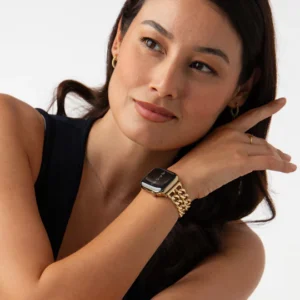
For the Style-Conscious User: Seamless Integration When the goal is consistency through personal enjoyment, the band should complement your daily wardrobe. A range of colors, finishes, and styles allows the watch to transition from a gym tool to a fashion accessory without losing its primary function. This eliminates the “I shouldn’t wear this tonight” thought, guaranteeing the device is always collecting your baseline health data.
Maintaining Your Band to Maintain Your Data
A neglected band can fail, leading to a broken tracking routine. Simple maintenance preserves both the accessory and the habit.
For fabric bands, regular rinsing after sweaty activities prevents odor and material degradation. For leather, avoiding prolonged exposure to moisture and using appropriate conditioners will extend its life. For metal links, occasional cleaning with a soft cloth removes dirt that can affect the clasp mechanism. A well-maintained band is reliable. You won’t face an unexpected breakage that forces you to stop wearing your watch for days, creating a significant gap in your health timeline.
Beyond the Band: A Holistic Approach to Wearable Utility
The band is the critical interface between you and the technology. Its choice influences the device’s utility, but optimizing tracking also requires engaging with the software. Set clear goals within your health app, review trends weekly, and use the data to make informed adjustments. The band ensures the hardware is a constant, pleasant presence; your engagement with the insights completes the loop. This combination—reliable, enjoyable wear and active data review—makes health tracking truly easier and more effective.
Companies like Pretty Straps understand this intersection. They provide the component that personalizes the tool, removing the last barrier between sophisticated health technology and everyday human life.
Frequently Asked Questions
Can changing my band affect my watch’s sensor accuracy?
Potentially, yes. A band that is too loose or too tight can impact the contact between the watch’s optical sensors (like heart rate monitors) and your skin. For optimal accuracy, choose a band that allows a snug, comfortable fit without constriction. Some materials also allow better skin contact than others.
How often should I replace my fitness watch band?
There’s no fixed timeline, but replace your band when signs of wear compromise security or comfort. Look for fraying fabric, stretched-out elasticity, cracked leather, or a loose metal clasp. For active users, a performance band might need replacement every 6-12 months, while a durable metal band could last years.
Are there bands specifically better for sleep tracking?
Yes. For sleep tracking, prioritize soft, non-irritating materials. Smooth silicone, padded nylon, or soft suede-lined leather are excellent choices. The band should feel unobtrusive and comfortable enough that you don’t feel compelled to remove the watch at night.
Will a metal band interfere with workout tracking?
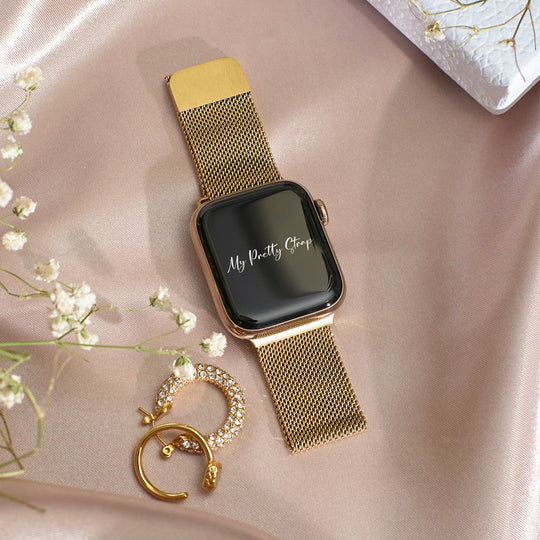
Not necessarily. Many metal bands, like those with mesh designs, are flexible and secure. Ensure the band is fastened properly to prevent excessive movement during activity. However, for very high-impact sports or swimming, a dedicated sport band might offer a more secure feel.
Can I use any brand’s band on my watch?
No. Compatibility is determined by your watch’s case size, lug width, and attachment mechanism (e.g., proprietary pin systems). Always verify that a band is designed specifically for your watch model to ensure a safe and proper fit.
Do stylish bands typically cost more than standard ones?
Price ranges vary widely. Basic replacement bands can be inexpensive, while bands made from premium materials like genuine leather, stainless steel, or designer fabrics command higher prices. The investment often correlates with durability, comfort, and aesthetic quality.
Conclusion
Tracking your health effectively requires more than a capable device; it requires a device you willingly and consistently wear. The often-overlooked component of the watch band plays a decisive role in this equation. By selecting a band that offers comfort, suits your activity level, and aligns with your personal style, you eliminate the minor friction that can disrupt a monitoring routine. You transform a functional tool into a integrated part of your daily life.
The result is a smoother, more sustainable health tracking experience. Data becomes comprehensive because collection is uninterrupted. Motivation is bolstered because the tool feels personal. In the pursuit of better health, every advantage matters. Choosing a band that makes wearing your watch easier, more enjoyable, and more appropriate for every context is a simple, yet powerful, advantage to embrace.