


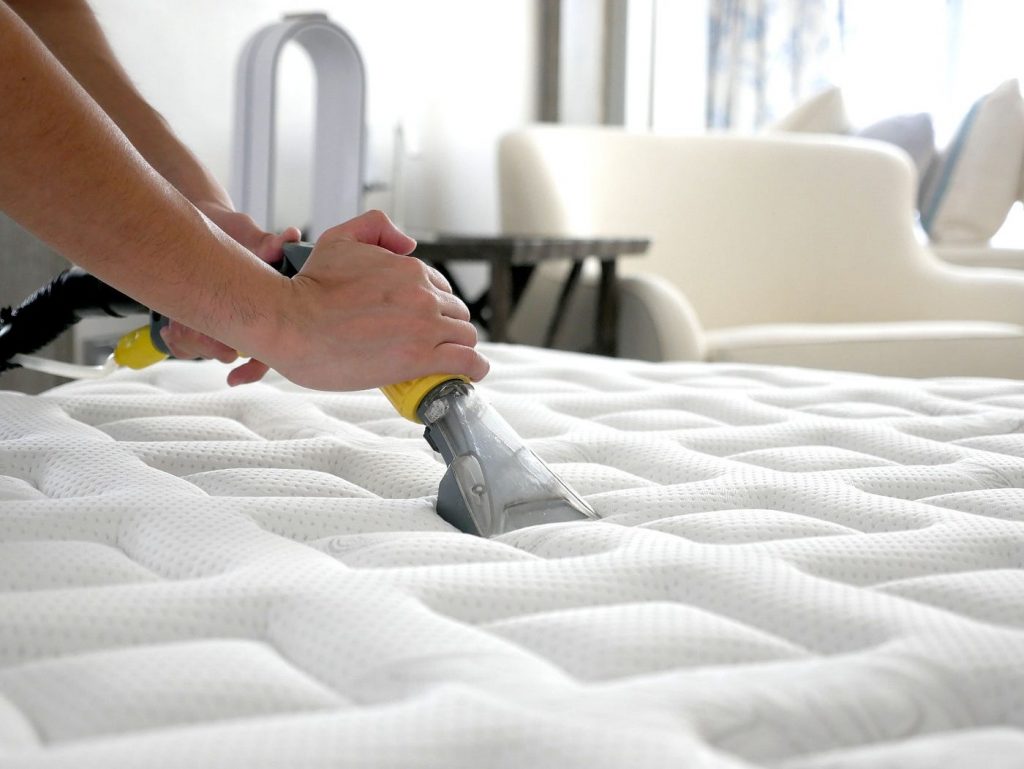
A clean mattress is fundamental to health and comfort, but the approach to maintaining one in a five-star hotel differs drastically from that in a family home. In Dubai’s diverse landscape, where luxury hospitality meets high-density living, understanding the distinction between commercial and residential sleep care isn’t just beneficial—it’s essential for making informed decisions about hygiene, investment, and service frequency.
This distinction forms the core of a professional Mattress Cleaning Service Dubai. The protocols, equipment, and scheduling required for a residential villa in Emirates Hills are not interchangeable with those needed for a downtown hotel or a medical facility. Tailoring the service correctly ensures effective allergen removal, extends mattress lifespan, and protects the reputations of businesses and the well-being of families.
This article breaks down the critical differences between commercial and residential mattress cleaning. We will examine the unique challenges and requirements of each sector, from volume and contaminants to regulatory considerations and scheduling logistics, providing a clear framework for selecting the appropriate service.
Defining the Two Sectors: Scale and Purpose
At its heart, the divide between commercial and residential mattress cleaning is defined by scale, usage patterns, and underlying objectives. Recognizing these foundational differences is the first step in tailoring an effective cleaning strategy.
Residential sleep care focuses on the private household. The primary goals are health, comfort, and longevity. A family mattress accumulates a predictable range of contaminants: dead skin cells, dust mites, body oils, sweat, and occasional spills. Cleaning addresses allergies, improves sleep quality, and preserves a significant household investment. The scale is manageable, typically involving one to a few mattresses, allowing for detailed, non-rushed attention.
Commercial sleep care, in contrast, operates on an institutional scale. The objective extends beyond hygiene to encompass brand reputation, regulatory compliance, and operational continuity. A hotel, hospital, or student accommodation facility manages an inventory of dozens to hundreds of mattresses. Each unit experiences high turnover, with a diverse array of users introducing a wider spectrum of potential contaminants, including biological fluids, stronger odors, and greater particulate matter. The cleaning protocol must be efficient, standardized, and documented.
Key Differences in Service Requirements
The operational realities of cleaning a single-family home versus a 200-room hotel create divergent service requirements. These differences manifest in several concrete areas.
Volume and Logistics
A residential service is a scheduled event. Homeowners book an appointment, and technicians bring specialized equipment to handle a few mattresses on-site. The logistics are straightforward.
A commercial operation faces a logistical puzzle. Cleaning must be coordinated around guest check-outs, patient discharges, or academic breaks to minimize disruption. Efficiency is paramount; services often use truck-mounted or industrial-grade extraction units that allow teams to clean dozens of mattresses per day. Storage and staging of cleaned units also become a consideration absent in residential contexts.
Contaminant Profiles and Cleaning Protocols
The nature of soiling differs significantly. In a home, the buildup is gradual and relatively homogeneous. Deep steam cleaning or dry chemical methods effectively break down oils and eliminate allergens.
Commercial mattresses, especially in hospitality and healthcare, face acute soiling incidents. A hotel mattress may encounter spilled food, drink, makeup, or bodily fluids. In healthcare, the risk of pathogen transmission necessitates a clinical-grade approach. Therefore, a professional Commercial Mattress Cleaning service employs hospital-grade disinfectants, advanced enzymatic cleaners for organic stains, and methods that ensure complete drying to prevent microbial growth. The protocol isn’t just about cleaning; it’s about sanitization and disinfection.
Regulatory and Compliance Standards
This is perhaps the most critical differentiator. Residential cleaning has no formal regulations, though reputable services follow industry best practices for safety and efficacy.
Commercial entities, however, often operate under strict mandates. Hotels in Dubai must adhere to Dubai Municipality health and safety standards, which can include specific sanitation requirements for soft furnishings. Healthcare facilities are governed by even more rigorous infection prevention and control (IPC) protocols set by the Dubai Health Authority (DHA). A commercial cleaning provider must understand these regulations, use approved agents, and often provide certificates of service for audits.
Choosing the Right Service Provider
Selecting a service provider begins with honestly assessing your needs against the commercial-residential divide. The wrong choice can lead to inadequate cleaning, damaged property, or compliance failures.
For homeowners, the priority should be finding a provider with a strong reputation for detail-oriented residential work. Look for services that offer transparent pricing per mattress, use eco-friendly or hypoallergenic cleaning solutions upon request, and provide flexible scheduling. The technician should conduct a pre-inspection, discuss fabric care, and explain the expected drying time.
For business managers, the checklist is more complex. The provider must demonstrate experience with large-scale projects in your specific sector, whether hospitality, healthcare, or corporate housing. They should provide clear documentation of their cleaning agents’ safety data sheets (SDS) and efficacy against common pathogens. Ask about their capacity for rapid turnaround—can they handle an entire floor of rooms in a single night? Insurance coverage is non-negotiable; the provider must hold comprehensive public liability and professional indemnity insurance to protect your business from any potential damage or incident.
The Impact on Health and Investment
The consequences of proper—or improper—mattress care are magnified in each context. In a home, a neglected mattress can exacerbate allergies, asthma, and skin conditions for the residents. Regular professional cleaning removes allergen loads that vacuuming cannot, directly contributing to a healthier indoor environment. It also protects the mattress core from premature breakdown, delaying the need for costly replacement.
In a commercial setting, the stakes are exponentially higher. For a hotel, a stained or malodorous mattress can lead to immediate guest complaints, negative online reviews, and lost future bookings. It directly attacks the brand’s promise of quality and comfort. In a medical or senior living facility, improper sanitation can contribute to healthcare-associated infections (HAIs), posing serious patient risks and potential regulatory penalties. A systematic commercial cleaning program is not an expense; it is a core component of risk management and asset protection, directly safeguarding revenue and reputation.
Scheduling and Frequency Considerations
Frequency of cleaning is dictated by use, not by a universal calendar. A residential mattress used by two adults typically benefits from a professional clean every 12 to 18 months. Homes with pets, allergy sufferers, or young children may require more frequent service, such as every 6 to 12 months.
Commercial scheduling is driven by occupancy and policy. A high-end hotel should ideally clean mattresses every 3 to 6 months, with immediate spot-cleaning after any visible soiling. Budget hotels or hostels with very high turnover might require quarterly cleaning. Healthcare facilities often have the most stringent schedules, with some policies mandating a complete sanitization after every patient discharge or on a monthly basis for long-term care beds. The cleaning contract must be flexible enough to accommodate these operational rhythms.
Frequently Asked Questions
How often should I clean a mattress in my Dubai home?
For most households, a professional deep clean every 12 to 18 months is sufficient. Increase frequency to every 6-12 months if you have allergies, pets, or young children. The arid climate can concentrate dust and allergens, making regular cleaning beneficial.
What makes commercial cleaning equipment different?
Commercial-grade equipment is built for durability, speed, and power. It features much higher suction and water extraction capabilities, larger solution tanks, and often uses hotter steam to ensure sanitization. This allows teams to clean thoroughly and achieve faster dry times, which is critical for room turnover in hotels.
Can a residential service clean my short-term rental property?
It depends on the volume and frequency. For a single rental property with a few units, a residential service may suffice. However, if you manage multiple properties with high guest turnover, you are operating a commercial venture and should seek a provider with commercial-scale equipment and efficiency to ensure consistency and compliance with local rental standards.
Are the cleaning chemicals safe for all mattress types?
Reputable providers assess mattress fabric and composition before cleaning. They use different solutions for delicate natural fibers versus synthetic materials. Always inform the technician of any known sensitivities or special requirements. Commercial services use stronger, often hospital-grade disinfectants that are safe for the materials but designed for pathogen elimination.
Do hotels clean mattresses after every guest?
While linens are always changed, a full professional deep clean of the mattress after every guest is logistically impossible. Instead, hotels rely on protective mattress encasements and conduct regular, scheduled deep cleaning cycles (e.g., quarterly) alongside immediate spot treatment for any stains or spills discovered during housekeeping.
Is mattress cleaning effective against bed bugs?
Professional steam cleaning, which uses sustained high heat, can kill bed bugs and their eggs on contact. However, for a confirmed infestation, it is only one part of a comprehensive pest control strategy that must include chemical treatment and preventative measures. Always consult a specialist for active infestations.
Conclusion
The choice between commercial and residential sleep care hinges on a clear understanding of scale, risk, and objective. For the Dubai homeowner, the path is about enhancing personal well-being and protecting a household asset through meticulous, scheduled care. For the business operator—be it in hospitality, healthcare, or corporate services—it is a strategic operational function integral to guest safety, regulatory compliance, and brand integrity.
Tailoring your mattress cleaning service correctly is not a minor detail; it is the defining factor for success. By partnering with a provider whose expertise, equipment, and protocols align precisely with your specific context—residential or commercial—you ensure that the foundation of sleep is not only clean but also conducive to health, comfort, and peace of mind. In a city that values excellence in both living and hospitality, this tailored approach is the standard.