


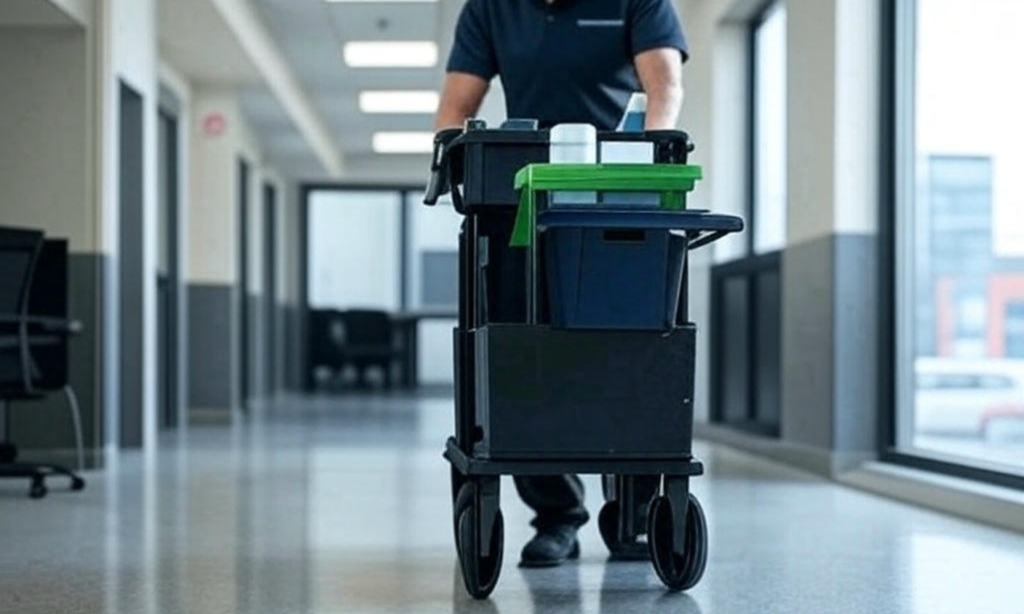
In healthcare, cleanliness is a clinical imperative. An unclean environment directly threatens patient recovery, increases the risk of hospital-acquired infections (HAIs), and undermines staff and visitor confidence. Managing this critical function across vast, complex facilities is a monumental operational challenge. Disorganization leads to missed tasks, inconsistent standards, and wasted resources.
The solution lies not in working harder, but in working smarter through systematic standardization. A meticulously designed hospital cleaning checklist transforms a reactive, variable chore into a reliable, auditable process. It provides the framework for consistent execution, clear accountability, and measurable outcomes. This guide details how a comprehensive checklist is the central tool for streamlining operations, enhancing safety, and ensuring regulatory compliance.
For infection prevention leads, environmental services (EVS) directors, and hospital administrators, this operational shift is non-negotiable. It moves cleaning from a perceived cost center to a demonstrable value driver for the entire organization.
Why Standardization is the Foundation of Efficient Hospital Cleaning
Without a standardized approach, cleaning practices become fragmented. Different staff may prioritize different areas, use varying techniques, or miss critical high-touch surfaces. This inconsistency creates blind spots where pathogens can thrive and complicates training and supervision.
A comprehensive checklist eliminates this guesswork. It serves as a single source of truth for what needs to be cleaned, how often, and by what method. This standardization delivers immediate operational benefits. It reduces the time supervisors spend giving repetitive instructions and correcting errors. It accelerates the onboarding of new EVS staff, providing clear, step-by-step guidance from day one. Most importantly, it ensures every cleaner, on every shift, is aligned with the facility’s infection control protocols.
The result is a more predictable, efficient workflow. Managers can accurately estimate labor hours for different zones, from patient rooms to surgical suites. Staff can move through their assignments with confidence, knowing exactly what is expected. This systematic approach is the first and most critical step in streamlining operations.
Key Components of an Effective Hospital Cleaning Checklist
A useful checklist is more than a simple to-do list. It is a detailed operational document designed for clarity and compliance. Its structure must reflect the unique risks and requirements of a healthcare environment.
Categorization by Risk Level and Area
The checklist should segment the facility into zones based on infection risk and foot traffic. A terminal cleaning protocol for an isolation room will be far more rigorous than the daily cleaning of a public waiting area. Common categories include:
- Critical Areas: Operating rooms, procedure rooms, sterile processing.
- Semi-Critical Areas: Patient rooms (especially ICU), emergency department bays.
- Non-Critical Areas: Administrative offices, public hallways, lobbies. Each category dictates the frequency of cleaning, the type of disinfectants required, and the specific tasks to be completed.
Detailed Task Specifications
Vague instructions like “clean bathroom” are ineffective. A robust checklist breaks down each area into explicit tasks. For a patient bathroom, this includes: disinfect toilet (inside bowl, seat, base, handle), disinfect sink (faucet, handles, basin), refill soap and paper towel dispensers, wipe down all high-touch surfaces (light switches, door handles, grab bars), and mop floor with disinfectant. This level of detail prevents shortcuts and ensures thoroughness.
Integration of Safety and Compliance Protocols
The checklist must embed safety checks for both staff and patients. This includes verification that wet-floor signs are deployed, that cleaning carts are stocked with proper personal protective equipment (PPE), and that chemical dilutions are correct. It should also reference the required dwell times for EPA-registered hospital-grade disinfectants—a critical step often overlooked without a written reminder. For facilities seeking a model to build upon, reviewing a professional Healthcare Facility Cleaning checklist can provide a strong foundational template.
Streamlining Communication and Accountability
A paper checklist clipped to a cart is a start, but modern operations demand more. Digital checklists, accessible via tablet or mobile device, unlock significant efficiencies. Staff can clock in and out of tasks, supervisors receive real-time completion alerts, and photos can be attached to document issues or verify standards.
This digital shift streamlines communication. Instead of hunting down a supervisor to report a broken piece of equipment, a staff member can log a maintenance request directly from the checklist. Supply shortages can be flagged instantly when a task cannot be completed due to missing materials. This creates a closed-loop communication system that resolves problems faster.
Accountability becomes data-driven. Managers can generate reports showing completion rates, average task times, and common problem areas. This data is invaluable for performance reviews, identifying training gaps, and making a factual case for additional resources during budget meetings. It shifts management from subjective observation to objective measurement.
Driving Continuous Improvement and Training
A static checklist quickly becomes obsolete. The most effective systems are living documents that evolve. Data collected from daily use should be reviewed regularly in team huddles or monthly meetings. If a certain task consistently takes longer than allocated, the protocol or the time allowance may need adjustment. If audit results show a particular surface is frequently missed, the checklist can be updated to highlight it.
This process turns the checklist into a core training tool. New hires learn through the documented standard, not through potentially inconsistent verbal hand-me-downs. For existing staff, checklist data pinpoints where refresher training is needed. For example, if compliance with proper dwell time is low, a focused five-minute training session can rectify it. This cycle of use, review, and refinement is how a checklist fosters a culture of continuous improvement and operational excellence, principles that also apply to smaller clinical settings like a Medical Office Cleaning program.
Measuring the Impact on Safety and Operational Costs
The ultimate validation of a streamlined cleaning operation is its impact on key metrics. A well-implemented checklist program should positively influence several areas.
First and foremost is infection control. While many factors affect HAI rates, a consistent, auditable cleaning process is a proven contributor. Facilities can track cleaning compliance scores alongside infection data to identify correlations. Secondly, operational costs become more controlled. Efficient scheduling reduces overtime, proper chemical use minimizes waste, and preventive maintenance logged via checklists can extend equipment lifespan.
Patient satisfaction scores related to environmental cleanliness often see improvement. A visibly clean, well-organized facility directly impacts the patient experience. Finally, the checklist provides irrefutable documentation for accreditation surveys from bodies like The Joint Commission. Inspectors can see not just your policies, but proof of their consistent execution.
Frequently Asked Questions
What’s the difference between a daily and a terminal cleaning checklist?
A daily checklist covers routine tasks for occupied or recently vacated rooms, focusing on high-touch surfaces and waste removal. A terminal cleaning checklist is used after a patient is discharged or transferred, or in an isolation setting. It is far more comprehensive, requiring the disinfection of every surface in the room, including walls, blinds, and furniture, to prepare it for the next patient.
How often should a hospital cleaning checklist be updated?
A formal review should occur at least annually. However, updates should be made immediately when new equipment is introduced, protocols change (e.g., new disinfectant with a different dwell time), or audit data reveals a persistent gap. The checklist should be a dynamic tool that reflects current best practices.
Can we use the same checklist for all areas of the hospital?
No. Using a one-size-fits-all checklist is inefficient and unsafe. The risk level and function of an operating room, a patient bathroom, and a public hallway are vastly different. Checklists must be tailored to each area type to ensure the correct tasks, frequencies, and disinfectants are applied appropriately.
Who should be involved in creating the checklist?
A multidisciplinary team is essential. This should include EVS managers and front-line staff, Infection Prevention and Control (IPC) practitioners, nurses from key units (like ICU or OR), and facilities management. This ensures the checklist is practical, clinically relevant, and logistically sound.
How do we ensure staff compliance with the checklist?
Compliance is driven by training, culture, and technology. Staff must understand the “why” behind each task. Leadership must champion the checklist’s importance. Digital tools that make completion easy and provide immediate feedback are far more effective than paper systems. Regular, fair audits that focus on coaching rather than punishment also improve adherence.
Conclusion
Streamlining hospital operations through a comprehensive cleaning checklist is a strategic investment with measurable returns. It replaces uncertainty with clarity, variability with consistency, and intuition with data. The operational benefits—from optimized labor hours to improved supply management—create tangible efficiencies that free up resources and managerial focus.
Ultimately, this systematic approach elevates the critical role of environmental services. It provides the structure to not just clean, but to protect. In an environment where every surface can be a vector for harm, a well-executed checklist is more than an operational tool; it is a foundational component of patient safety and quality care. The path to a safer, more efficient facility begins with documenting the standard, and then empowering your team to meet it, every single time.