


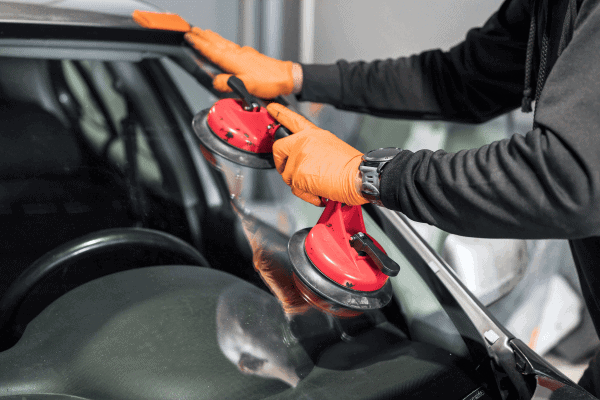
A windscreen is far more than a simple pane of glass. It is a fundamental component of your vehicle’s structural integrity and a critical element of your safety system. When it becomes chipped, cracked, or compromised, the natural reaction might be to delay repair, especially if the damage seems minor or out of the direct line of sight. This delay, however, introduces significant and often underestimated risks. Viewing windscreen replacement Sydney as an urgent maintenance task, rather than a discretionary expense, is a key decision for any responsible vehicle owner.
The safety implications extend beyond the windscreen itself to all auto glass, including side windows and rear screens. Each piece plays a role in occupant protection, visibility, and the proper function of advanced driver-assistance systems (ADAS). This article examines the specific safety benefits of addressing glass damage immediately, detailing how prompt action preserves your vehicle’s crashworthiness, ensures optimal driving conditions, and protects your technological investments on the road.
Why Your Windscreen is a Structural Safety Component
Modern vehicle design relies on a monocoque or unibody construction, where the windscreen contributes up to 30% of the structural rigidity of the passenger cabin’s roof. In a rollover accident, a properly installed, undamaged windscreen helps prevent the roof from collapsing. A compromised windscreen, with even a small crack near the edges, can fail catastrophically under this stress, eliminating a crucial layer of protection for occupants.
Furthermore, the windscreen is the primary backstop for your vehicle’s passenger-side airbag. When deployed, the airbag inflates rapidly and uses the windscreen as a surface to bounce back into the passenger’s chest and head area, cushioning the impact correctly. If the windscreen is weakened or improperly bonded due to prior damage, the force of the airbag can cause it to detach or shatter, rendering the safety device ineffective and potentially causing further injury from flying glass or an uncontrolled airbag.
The Domino Effect of Spreading Damage
A small chip or crack is not a static flaw. Stress from daily driving—temperature fluctuations, road vibrations, and flexing of the vehicle’s frame—causes cracks to propagate. What begins as a 10cm crack can quickly spread across the entire screen, often overnight with a drop in temperature. This progression not only increases replacement costs but also exponentially increases the risk of sudden, total failure during a drive.
Compromised Visibility and Driver Impairment
Safety on the road begins with clear, unobstructed vision. A crack or chip, particularly in the driver’s sightline, acts as a constant visual distraction. The human eye is naturally drawn to anomalies, pulling focus away from the road, pedestrians, and other vehicles. This split-second distraction can be the difference between a near-miss and a collision, especially at high speeds or in complex urban traffic.
More critically, cracks refract light. During sunrise, sunset, or when facing oncoming headlights at night, these imperfections can scatter light into blinding starbursts or halos, dramatically reducing visibility. A chip can also trap dirt and moisture, creating a permanent smudge that no wiper can clear. In Sydney’s variable weather, from bright sunshine to sudden rain showers, these impairments become severe hazards. Prompt auto glass replacement eliminates these optical defects, restoring the clarity essential for safe driving.
The Critical Link Between Auto Glass and Advanced Safety Systems
Today’s vehicles are equipped with an array of Advanced Driver-Assistance Systems (ADAS) designed to prevent accidents. Common features include Automatic Emergency Braking (AEB), Lane Departure Warning (LDW), and Adaptive Cruise Control. Many of these systems rely on cameras and sensors mounted on or behind the windscreen, typically near the rearview mirror.
The calibration of these sensors is precise. Any windscreen replacement, especially for a vehicle equipped with ADAS, is not a simple glass swap. It requires recalibration of these cameras to ensure they have an accurate view of the road. More importantly, a crack or chip directly in the camera’s field of view, or even significant damage elsewhere that alters the glass’s optical properties, can distort the camera’s image. This can cause systems to fail silently—your lane-keeping assist might not engage, or your AEB might not recognize a stopped vehicle ahead. Professional auto glass replacement services include this essential recalibration, ensuring these life-saving technologies function as intended.
Water Leakage and Secondary Damage
A windscreen’s seal does more than hold the glass in place; it is a primary barrier against water ingress. Damage to the glass or its bonding sealant can create a pathway for water to enter the cabin and, more dangerously, the vehicle’s electronic systems. Chronic leakage can lead to mould growth, musty odours, and corrosion. Critically, water can damage the electronic control units (ECUs) often located in the footwells, leading to expensive failures in everything from airbag controllers to engine management systems.
The Economic and Legal Case for Prompt Action
Delaying windscreen repair is a false economy. A small chip can often be repaired quickly and affordably, often covered by insurance with no claim impact. Once that chip spreads into a crack requiring a full replacement, the cost increases significantly. Furthermore, driving with a damaged windscreen can have legal consequences. In New South Wales, road rules state that a vehicle must be maintained in a safe condition. A windscreen with damage that obscures the driver’s view can result in a defect notice and a fine.
From an insurance perspective, an unrepaired windscreen can complicate claims. If an insurer determines that compromised visibility or structural integrity contributed to an accident, they may dispute liability. Addressing damage promptly maintains your vehicle’s roadworthiness and protects your legal and financial standing.
Choosing a Professional Replacement Service
Not all glass replacements are equal, and the safety benefits outlined hinge on a correct installation. A professional technician uses high-quality, Original Equipment Manufacturer (OEM) equivalent glass and industry-standard polyurethane adhesives. The installation process includes proper surface preparation, application, and curing time—a rushed job with inferior materials can leave the windscreen dangerously weak.
For modern vehicles, ensure the service provider has the capability and certification to perform ADAS recalibrations. This often requires static calibration with alignment targets or dynamic calibration through a driven test procedure. A trusted provider will discuss this requirement upfront, ensuring your vehicle leaves not just with new glass, but with all its integrated safety systems fully restored.
Frequently Asked Questions
Can a small chip really be a safety risk?
Absolutely. Beyond being a visual distraction, a chip compromises the glass’s integrity at the point of impact. It creates a stress point from which cracks can rapidly propagate, especially with temperature changes or road vibrations. This can lead to sudden, large cracks that significantly impair vision or cause total failure.
How long does a proper windscreen replacement take?
A high-quality replacement typically takes 60 to 90 minutes for the installation itself. However, the adhesive then requires a curing period before the vehicle can be driven safely—usually one to two hours, depending on the product and weather conditions. If ADAS recalibration is needed, add an additional 30 to 60 minutes. A professional service will provide clear guidance on the total timeframe.
Is windscreen damage covered by insurance?
Most comprehensive car insurance policies in Australia include windscreen cover, often with a zero or low excess for repair, and a standard excess for full replacement. It’s advisable to check your specific Product Disclosure Statement (PDS). Importantly, making a claim for windscreen repair is typically not counted as an “at-fault” claim and should not affect your no-claim bonus.
What’s the difference between repair and replacement?
Repair is possible for small chips (usually under 25mm in diameter) and short cracks (often under 100mm long), depending on their type and location. A technician injects a specialised resin into the damage, restoring clarity and strength. Replacement is necessary for larger cracks, damage in the driver’s critical vision area, or cracks that reach the edge of the glass, as these cannot be safely or effectively repaired.
Why is calibration necessary after a windscreen replacement?
Cameras and sensors for ADAS are mounted to the vehicle’s body and “look through” the windscreen. Removing and refitting the glass, even with microscopic precision, can alter the camera’s angle of view by a fraction of a degree. This small shift can cause the system to misjudge distances or lane markings. Recalibration restores the camera’s exact alignment, ensuring systems like automatic braking function correctly.
Conclusion
The decision to repair or replace a damaged windscreen should be guided by safety imperatives, not convenience or short-term cost-saving. The benefits of prompt action are comprehensive: preserving the structural integrity of your vehicle’s cabin, ensuring unimpaired visibility in all conditions, safeguarding the function of modern driver-assistance technologies, and preventing secondary damage from water leaks.
Treating windscreen damage with urgency is a straightforward yet profoundly effective measure in proactive vehicle safety. It ensures that every component designed to protect you and your passengers can perform its role when needed most. In the context of daily driving in Sydney, where conditions can change rapidly, maintaining pristine auto glass is not a luxury—it is a fundamental responsibility for every driver.