


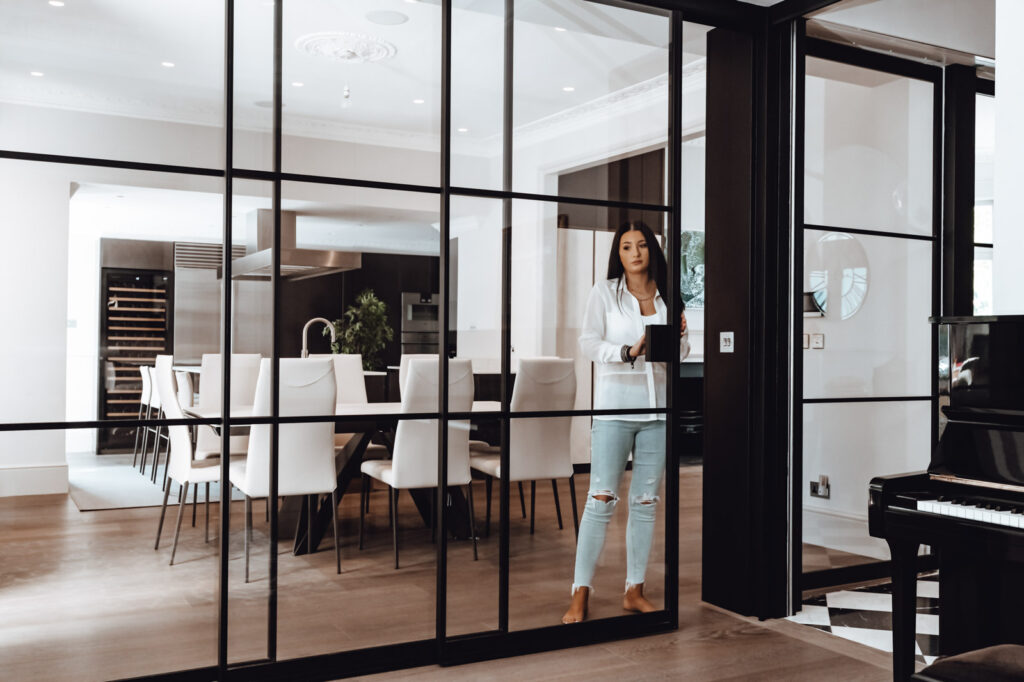
When designing a high-end residential or commercial interior, every detail contributes to the overall experience. The choice of door mechanism is a critical, yet often overlooked, component. While there are several ways to hang a sliding door, the top-hung track system represents the pinnacle of engineering for premium applications. This method suspends the door from a track mounted in the head of the opening, with the weight borne entirely by the overhead structure.
The benefits of top-hung track mechanisms for high-end internal sliding doors extend far beyond basic functionality. They address core concerns of architects, designers, and homeowners: creating a flawless aesthetic, ensuring durable and silent operation, and maximizing usable space. Unlike floor-running systems, which guide the door along a bottom track, the top-hung approach eliminates a major source of friction, debris collection, and visual interruption. This article examines the specific advantages that make this mechanism the preferred choice for discerning projects where performance and polish are non-negotiable.
Uninterrupted Aesthetics and Seamless Design
The most immediate benefit of a top-hung system is its visual impact. By eliminating the need for a floor track, the floor plane remains completely unobstructed. This creates a clean, continuous flow of flooring material—be it wide-plank oak, intricate tile, or polished concrete—from one room to the next without any breaks or aluminum channels cutting across it. The visual continuity makes spaces feel larger, more cohesive, and meticulously planned.
The mechanism itself is also concealed. High-quality top-hung systems are designed to be discreet. The track is typically recessed into a ceiling or soffit, or housed within a slim, purpose-built header. From most viewing angles, the door appears to glide effortlessly without a visible support structure, achieving a minimalist, floating effect that is central to contemporary design. This clean aesthetic is a primary reason designers specify top-hung systems for projects where every architectural line matters.
Enhanced Flooring Integrity and Accessibility
Without a floor track, there is no risk of damaging delicate flooring materials during installation or over years of use. There is also no track to collect dirt, dust, or moisture, which simplifies cleaning and maintenance significantly. Furthermore, the flush threshold is a critical accessibility feature, providing a safe, trip-free passage for all users, including children, the elderly, or those using mobility aids.
Superior Performance and Durability
The engineering principles behind a top-hung mechanism lend themselves to exceptional performance. Because the door’s weight is suspended from robust, industrial-grade bearings that run along a high-capacity steel track, the operation is remarkably smooth and quiet. The carriage system distributes weight evenly, reducing strain on any single point and minimizing wobble or racking of the door panel over time.
This configuration also drastically reduces wear and tear. In a floor-running system, the bottom rollers are in constant contact with the track and are vulnerable to grit, pet hair, and other debris that can cause grinding, jamming, and accelerated wear. A top-hung door avoids this entirely; any guide at the floor level is typically a simple, non-load-bearing glide to prevent lateral sway. The result is a mechanism that maintains its buttery-smooth action for decades with minimal intervention. For busy households or commercial spaces, this reliability is invaluable.
Optimal Space Utilization and Flexibility
Internal Sliding doors are inherently space-saving, as they do not require the swing clearance of a traditional hinged door. The top-hung variant maximizes this advantage. Without a floor track, furniture placement becomes completely flexible right up to the door opening. Rugs can be laid without notching, and interior layouts can be changed without considering door swing arcs.
This system also allows for more creative and functional configurations. Designers can more easily implement larger, heavier door panels, such as those made from solid timber or full-height glazing, because the overhead track can be engineered to support substantial weight. It also facilitates the use of pocketing walls, where doors disappear completely into a cavity, or multi-panel systems that can stack or bypass to open up entire walls of space. The structural support comes from above, freeing the floor plan for pure design.
Acoustic and Environmental Performance
In high-end construction, controlling sound transmission between rooms is often a priority. A top-hung track mechanism contributes positively to acoustic performance. The stable, firm hanging of a heavy door panel, combined with the ability to integrate high-quality perimeter seals (since there is no bottom track interference), allows for an excellent acoustic seal when the door is closed.
The absence of a floor track also improves thermal efficiency by eliminating a potential draft path. When paired with a well-insulated door slab and effective seals, a top-hung sliding door can help maintain consistent room temperatures and reduce energy transfer. This attention to environmental detail aligns with the standards of modern, sustainable building practices.
Long-Term Value and Perceived Quality
The investment in a top-hung track mechanism pays dividends in long-term property value and daily user experience. The perception of quality is tangible; the heft of a smoothly gliding, silent door conveys craftsmanship and durability. This mechanism avoids the common pain points of cheaper alternatives—sticking, noisy operation, and tracks that become clogged—which are frequent sources of homeowner frustration.
Maintenance is straightforward, usually involving only occasional cleaning of the overhead track and light lubrication of the bearings, tasks that are infrequently required. The system’s durability means it is unlikely to need major repair, protecting the interior finish and avoiding disruptive refurbishment work. For specifiers and property owners, this translates to lower total cost of ownership and a lasting impression of quality for anyone who uses the space.
Installation, however, is a professional task. It requires precise headroom for the track carriage and a structurally sound lintel or header to bear the door’s dead load. Engaging experienced specialists is crucial to realize all the sliding internal doors benefits discussed, as improper installation can compromise performance, safety, and aesthetics.
Frequently Asked Questions
Are top-hung sliding doors more expensive than floor-running models?
Yes, typically. The hardware is more robust, the installation is more complex as it requires structural support in the ceiling or header, and the overall system is engineered for higher performance and longevity. The cost difference should be viewed as a long-term investment in durability, aesthetics, and hassle-free operation.
Can a top-hung track be installed in any existing doorway?
Not always. Sufficient space must be available above the door opening to house the track and carriage mechanism, often requiring a false bulkhead or soffit. The structure above must also be capable of supporting the door’s weight. A professional survey is essential to determine feasibility in a retrofit scenario.
How much weight can a top-hung system support?
High-quality commercial-grade top-hung systems can support several hundred pounds per door panel. Capacity varies by manufacturer and track specification, but these systems are specifically designed to handle heavy materials like solid wood, metal, and large glass panels that would overwhelm standard floor tracks.
Is the bottom of the door completely free-floating?
Not entirely. While 100% of the weight is borne from above, most systems employ a discreet floor guide—often a simple channel or a single guide block—to keep the bottom of the door from swinging laterally (racking) as it moves. This guide does not carry weight; it only provides lateral stability.
Do top-hung doors require special maintenance?
They require very little. The primary task is ensuring the overhead track remains free of dust buildup, which can be done with a vacuum attachment. The bearings may need a silicone-based lubricant applied every few years. The lack of a floor track eliminates the most common maintenance issue found in sliding doors.
Can these systems be used for soundproof doors?
They are the preferred mechanism for acoustic-rated sliding doors. Their stability allows for perfect alignment with perimeter seals, and their ability to support very heavy, dense door slabs is key to achieving high Sound Transmission Class (STC) ratings. The airtight seal is easier to maintain without a floor track obstruction.
Conclusion
The decision to specify a top-hung track mechanism is a definitive step toward achieving a truly high-end interior. The benefits are comprehensive, addressing the core demands of modern design: a flawless visual line, silent and reliable mechanical performance, and intelligent space optimization. By removing hardware from the floor plane and engineering support from above, this system solves the practical drawbacks associated with conventional sliding doors.
Ultimately, the value of this approach is measured in daily experience and enduring quality. A door that glides effortlessly, maintains its flawless operation for years, and contributes to a cohesive architectural statement justifies its position as a premium solution. For projects where detail defines excellence, the top-hung track is not merely an option; it is the logical foundation for any exceptional internal sliding door installation.