

Wicker furniture has woven itself into the fabric of home decor, transcending both time and trends. Its origins are steeped in history, yet its modern craftsmanship showcases innovation and style. Understanding the rich history and modern craftsmanship of wicker not only reveals its enduring charm but also highlights its relevance in today’s design landscape.
This article delves into the fascinating evolution of wicker, exploring its historical significance, the techniques behind its craftsmanship, and its place in contemporary settings. We’ll also look at how materials have changed over the years, leading to innovative designs that cater to modern tastes.
The Origins of Wicker Furniture
Wicker, as a craft, dates back thousands of years, with evidence of its use found in ancient civilizations. The term “wicker” refers to the process of weaving flexible materials into a sturdy structure, traditionally using natural materials like rattan, willow, and reed. Archaeological findings suggest that ancient Egyptians utilized wicker for furniture as early as 3000 BCE, demonstrating its durability and functionality.
In Asia, wickerwork took on a refined form, with artisans creating intricate designs that reflected cultural values and aesthetics. The craft spread throughout Europe in the 17th century, particularly in England, where it gained popularity among the upper classes. The fusion of utility and artistry led to the creation of elaborate wicker chairs and tables, often adorned with cushions and textiles.
Techniques of Modern Wicker Craftsmanship
Today, wicker craftsmanship combines traditional techniques with modern innovation. Artisans often blend natural materials with synthetic fibers, enhancing durability while preserving the classic look of wicker. This evolution has allowed for the creation of pieces that are both lightweight and resilient against the elements, making them suitable for indoor and outdoor settings.
Hand-Woven vs. Machine-Made
The distinction between hand-woven and machine-made wicker is significant. Hand-woven pieces often showcase the unique skill of the artisan, featuring intricate patterns and personalized touches. In contrast, machine-made wicker offers consistency and affordability, appealing to a broader market.
Modern craftsmen utilize advanced techniques to enhance the quality and longevity of wicker furniture. For example, UV-resistant coatings protect against sun damage, while water-resistant treatments ensure that pieces remain functional in diverse climates. This blend of old and new keeps wicker relevant in today’s design world.
The Role of Wicker in Contemporary Design
Wicker furnishings have found their way into various design styles, from bohemian to coastal chic. Their versatility allows them to blend seamlessly with different aesthetics, making them a favorite among interior designers.
In contemporary spaces, wicker chairs and tables serve as focal points, adding texture and warmth to minimalist environments. Designers often pair wicker with modern materials like metal and glass, creating striking contrasts that elevate the overall design.
Outdoor Living Spaces
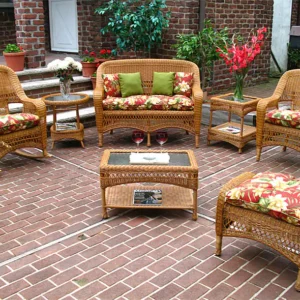
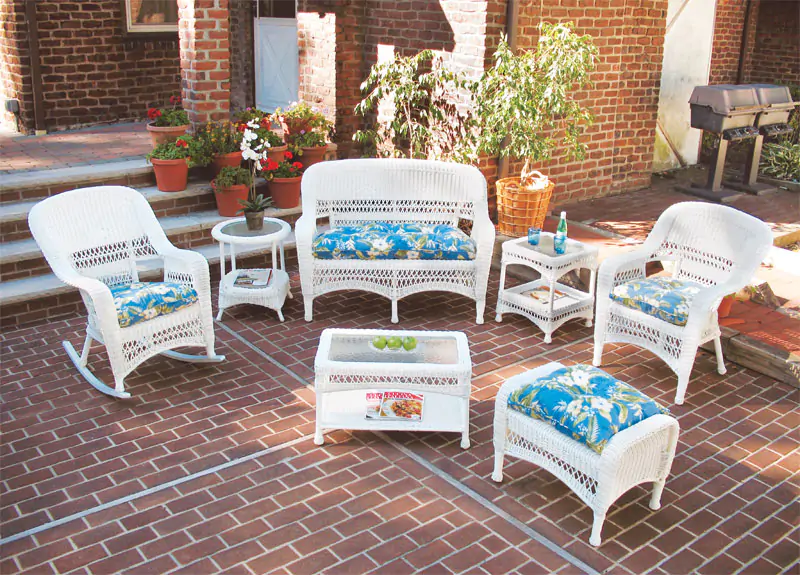
The popularity of outdoor living spaces has further cemented the role of wicker furniture in modern design. Wicker is particularly favored for patios and decks, where its natural look complements outdoor settings. With the introduction of weather-resistant materials, wicker provides both comfort and style, encouraging outdoor relaxation and entertainment.
Sustainability in Wicker Craftsmanship
As sustainability becomes a priority for consumers, many wicker manufacturers have shifted towards eco-friendly practices. This includes sourcing materials responsibly and utilizing sustainable production methods. Rattan, a common wicker material, is a fast-growing vine that is often harvested without causing harm to the environment.
Additionally, modern wicker furniture often incorporates recycled materials, aligning with a growing trend towards sustainability. Consumers can enjoy stylish furnishings while supporting environmentally friendly practices, making wicker a conscientious choice for modern homes.
Innovations in Materials
The introduction of synthetic materials has revolutionized wicker craftsmanship. Synthetic wicker, made from polyethylene or resin, offers enhanced durability and ease of maintenance. This innovation allows for the creation of Resin Patio Furniture that can withstand harsh weather conditions without fading or cracking.
These advancements have expanded the scope of wicker furniture, making it accessible to a wider audience who value both aesthetic appeal and practical functionality.
The Market for Wicker Furniture
The market for wicker furniture has evolved significantly, responding to changing consumer preferences and lifestyles. Online shopping platforms have made it easier for consumers to access a variety of wicker products, from affordable options to high-end artisanal pieces.
Retailers now offer an extensive range of wicker furnishings, catering to diverse tastes and budgets. This growth reflects a broader trend towards embracing natural materials in home decor, as consumers seek warmth and texture in their living spaces.
Customization and Personalization
The demand for customization has also influenced the wicker market. Many manufacturers now offer personalized options, allowing customers to select colors, patterns, and finishes that suit their individual style. This customization enhances the appeal of wicker furniture, making it a unique addition to any home.
Frequently Asked Questions
What materials are used in wicker furniture?
Wicker furniture is traditionally made from natural materials such as rattan, willow, and reed. However, modern wicker often incorporates synthetic materials like polyethylene or resin, which enhance durability and weather resistance.
How do I maintain wicker furniture?
To maintain wicker furniture, regularly dust it with a soft cloth and avoid exposing it to excessive moisture. For outdoor wicker, clean it with mild soap and water, and ensure it’s stored in a dry place during harsh weather.
Is wicker furniture suitable for outdoor use?
Yes, wicker furniture is often designed for outdoor use, especially when made from synthetic materials. These pieces are typically weather-resistant, making them ideal for patios and gardens.
Can wicker furniture be repaired?
Yes, wicker furniture can be repaired. Small damages such as broken strands can often be fixed by re-weaving. For larger repairs, consider consulting a professional wicker repair service.
What are the benefits of synthetic wicker?
Synthetic wicker offers several advantages, including increased durability, resistance to fading and cracking, and ease of maintenance. It is particularly suitable for outdoor environments where traditional wicker may deteriorate.
Is wicker furniture eco-friendly?
Wicker furniture can be eco-friendly, especially when made from sustainably sourced materials. Many manufacturers are adopting sustainable practices, such as using recycled materials in their products.
Conclusion
The rich history and modern craftsmanship of wicker furnishings reveal a timeless appeal that continues to resonate today. From ancient civilizations to contemporary design, wicker has adapted and evolved, becoming a staple in homes around the world. The blend of traditional techniques and innovative materials ensures that wicker remains a relevant choice for consumers.
As homeowners increasingly seek sustainable and stylish options, wicker furniture stands out as a versatile solution that caters to both aesthetic and practical needs. Its enduring charm and adaptability make it a cherished element in modern decor.