


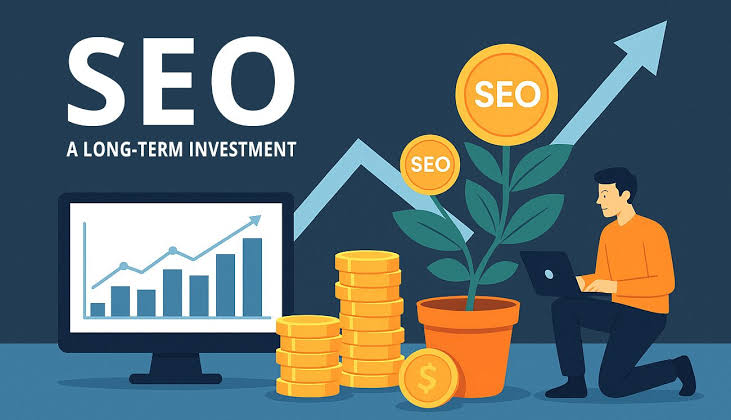
Assessing the return on investment (ROI) from marketing strategies is crucial for businesses aiming to maximize their resources. Among various marketing channels, search engine optimization (SEO) stands out as a long-term investment that can yield significant benefits. However, the question remains: is the true SEO cost worth it? This article delves into evaluating marketing ROI specifically for SEO, helping businesses understand its value in a competitive marketplace.
In the following sections, we will explore the elements that contribute to effective SEO, how to measure its ROI, and why it is essential for sustainable growth. By the end, you’ll have a clearer understanding of whether investing in true SEO is a decision worth making for your business.
Understanding SEO and Its Components
SEO encompasses a range of strategies aimed at improving a website’s visibility on search engines like Google. It involves various components, including keyword research, on-page optimization, content creation, and link building. Each of these elements plays a crucial role in driving organic traffic to a website.
Keyword Research
Effective SEO starts with identifying the right keywords. Businesses must understand what potential customers are searching for to tailor their content accordingly. Tools like Google Keyword Planner can help in discovering keywords with high search volume and low competition. This foundational step ensures that the content created resonates with the target audience.
On-Page Optimization
On-page optimization refers to the adjustments made directly on a website to improve its ranking. This includes optimizing title tags, meta descriptions, headers, and images. Properly structured URLs and internal linking also enhance user experience, which search engines prioritize. Investing time in on-page SEO can significantly impact a site’s visibility.
Measuring SEO ROI
Evaluating marketing ROI, particularly for SEO, requires a well-defined approach. It’s not just about analyzing traffic numbers; it involves understanding the overall impact of SEO on business goals.
Key Performance Indicators (KPIs)
When measuring SEO ROI, several KPIs can provide valuable insights:
- Organic Traffic: The number of visitors coming from search engines.
- Conversion Rate: The percentage of visitors who take a desired action, such as making a purchase or filling out a contact form.
- Cost Per Acquisition (CPA): The total cost incurred to acquire a customer through SEO efforts.
- Customer Lifetime Value (CLV): A projection of the total revenue a business can expect from a single customer account.
By monitoring these KPIs over time, businesses can determine the effectiveness of their SEO strategies and adjust their approaches accordingly.
Tools for Tracking ROI
Several analytics tools can assist in tracking SEO performance. Google Analytics, for instance, provides insights into traffic sources, user behavior, and conversion data. Incorporating SEO-specific tools like SEMrush or Ahrefs can further enhance tracking capabilities by offering keyword rankings and backlink profiles.
The True Cost of SEO
Understanding the true cost of SEO involves more than just financial expenditure. While many businesses might focus on the initial investment, it’s essential to consider the long-term benefits and savings that come with effective SEO.
Financial Investment
The financial aspect typically includes costs related to hiring SEO professionals, purchasing tools, and ongoing content creation. For instance, businesses may pay for SEO Cost services that involve a mix of consulting, technical fixes, and content marketing. While this can appear steep upfront, the potential for increased traffic and conversions often justifies the expense.
Time Investment
SEO is not a one-time effort; it requires ongoing attention. The time spent on research, implementation, and monitoring can be significant. However, this investment of time can yield compounding returns over time, as content begins to rank higher and attract more visitors.
Long-Term Benefits of Investing in SEO
Investing in SEO can lead to numerous long-term benefits that often outweigh the initial costs.
Brand Credibility and Trust
Higher rankings in search results can enhance a brand’s credibility. Users tend to trust search engines, so appearing on the first page can instill confidence in potential customers. This trust can translate into higher conversion rates and customer loyalty over time.
Competitive Advantage
Incorporating effective SEO strategies can provide a competitive edge. Many businesses still neglect SEO, making it an opportunity for those willing to invest. By optimizing their online presence, companies can outpace competitors who are not utilizing SEO effectively.
Local SEO: A Focused Approach
For many businesses, especially those with physical locations, local SEO can be particularly valuable. This strategy involves optimizing a website to attract local customers through search results.
The Importance of Local SEO
Local SEO helps businesses appear in search results when potential customers are looking for services in their vicinity. This is especially vital for small businesses aiming to attract local clientele. Optimizing for local search often includes creating Local SEO Landing Pages, which can significantly improve visibility in local search results.
Measuring Local SEO Success
Just like general SEO, local SEO efforts can be measured using KPIs. Metrics such as local search rankings, Google My Business insights, and local traffic can provide insights into the effectiveness of local SEO strategies.
Frequently Asked Questions
What is the average ROI for SEO?
The average ROI for SEO varies widely depending on the industry and specific strategies employed. Many businesses report an ROI of 300% or more, but success often hinges on ongoing optimization and adaptation to market changes.
How long does it take to see results from SEO?
SEO is generally a long-term investment. While some improvements can be seen within a few months, significant results often take six months to a year. Patience and continuous effort are key.
Can small businesses benefit from SEO?
Absolutely! Small businesses can greatly benefit from SEO, especially local SEO strategies that help them reach potential customers in their area. A well-optimized website can lead to increased visibility and sales.
Is SEO worth the investment?
Yes, for most businesses, investing in SEO is worthwhile. The long-term benefits, including increased visibility and higher conversion rates, often exceed the costs associated with implementing effective SEO strategies.
How often should businesses update their SEO strategies?
SEO strategies should be reviewed and updated regularly to adapt to changes in search engine algorithms and industry trends. A quarterly review can help ensure ongoing effectiveness.
Conclusion
Evaluating marketing ROI, particularly concerning true SEO costs, reveals that this investment can lead to substantial long-term benefits. From increased organic traffic to enhanced brand credibility, effective SEO strategies pay off over time. While the initial investment may seem significant, the compounded returns make SEO a core component of any successful marketing strategy.
As businesses continue to navigate the digital landscape, understanding the value of SEO will be crucial for sustained growth and competitiveness. Investing in SEO today can set the foundation for success tomorrow, ensuring that businesses remain visible and relevant in an ever-evolving market.