

The dream of a quiet cabin retreat, disconnected from the utility grid, is a powerful one. It promises independence, tranquility, and a direct connection to nature. Yet, the reality of managing power can quickly complicate that vision. Relying solely on a small generator means noise, fumes, and constant refueling. A complex, permanent solar setup requires significant upfront investment and technical know-how. This gap between the dream and the logistical hassle is where modern portable power stations are fundamentally changing the game.
Achieving truly easy off-grid cabin living requires a versatile power source—one that is substantial enough to run essentials, simple to deploy, and adaptable to various energy inputs. The solution isn’t about having the most power possible, but the right power, managed intelligently. This approach centers on a capable, all-in-one unit that serves as the heart of your cabin’s energy system, handling everything from morning coffee to nighttime lighting without demanding a degree in electrical engineering.
This guide will explore how a high-capacity power station can streamline your off-grid experience. We’ll cover practical power planning, seamless integration with solar panels, essential device compatibility, and long-term system management. The goal is a cabin that feels effortlessly powered, letting you focus on the retreat itself.
The Foundation of Off-Grid Power: Capacity and Versatility
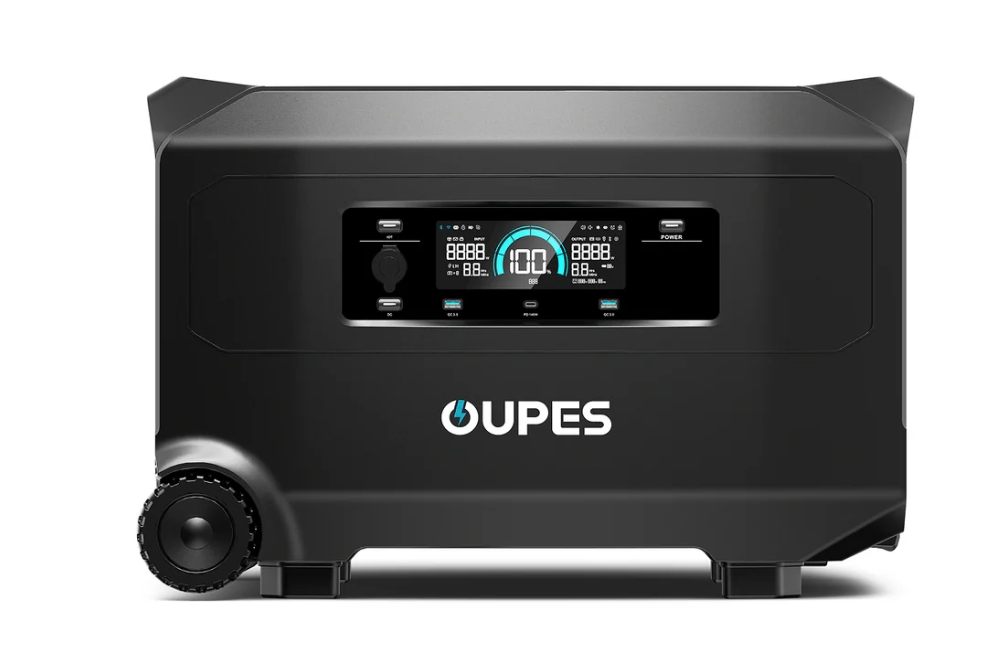
Moving off-grid starts with an honest assessment of your power needs. It’s not about replicating a grid-tied home’s unlimited consumption, but about intelligently powering what matters most. The cornerstone of this system is a power station with sufficient capacity (watt-hours) and output (watts). A unit like the OUPES Mega 2 Pro power station exemplifies this foundation, offering a 2kWh capacity and 2500W output. This scale of power is transformative for cabin living.
Why does this matter? A 2kWh capacity means you can run a 10W LED light bulb for 200 hours, a 50W laptop for 40 hours, or a 500W refrigerator for about 4 hours on a single charge. The 2500W output rating ensures you can start and run motors in appliances like a microwave (1000W), a coffee maker (800W), or even some small power tools. This combination allows you to move beyond just charging phones and into the realm of actual daily living comforts.
Versatility is the other critical pillar. A capable power station should offer multiple charging methods: AC wall charging for pre-trip topping up, solar input for sustainable recharging on-site, and even car charging for emergencies. This flexibility means you’re never stuck with a single, potentially unreliable, method for keeping your system alive. It adapts to your situation, whether you’re setting up in sunny summer or arriving on a cloudy fall weekend.
Designing Your Cabin’s Energy Ecosystem
With a robust power station as your core, the next step is building a simple, effective energy ecosystem around it. This involves three key components: energy input, energy storage, and energy distribution.
Solar Panel Integration
Solar panels are the most logical and sustainable partner for your power station at a remote cabin. The process is remarkably straightforward. You connect compatible solar panels (often in a series or parallel configuration based on the station’s input specs) directly to the station’s solar charging port. Modern stations with high solar input ratings can recharge fully in a few hours of good sunlight, effectively creating a self-sustaining loop. Position panels for maximum southern exposure, and you have a silent, fuel-free generator.
Essential Load Management
Smart power management is what separates a functional off-grid setup from a frustrating one. It begins with an audit. List every device you plan to use, noting its running watts and, for motors, its starting watts (often 2-3x higher). Group items into essentials (lighting, refrigeration, water pump) and occasionals (power tools, entertainment systems). Use the power station’s display, which typically shows real-time input and output wattage, to monitor consumption. This habit prevents accidentally overloading the system and teaches you the true cost, in watt-hours, of every activity.
From Coffee to Comfort: Powering Real Cabin Life
What does this look like in practice? Imagine a typical day. In the morning, you can run a coffee maker (800W for 5 minutes = ~67Wh) and a toaster (900W for 3 minutes = 45Wh) without a second thought. LED lights (10W each) can burn all evening for a negligible drain. A DC-powered 12V water pump for your rain catchment system can run directly from the station’s car outlet. In the evening, a laptop (50W) and a small projector (100W) can power movie night for a few hours.
For longer stays, a compact, efficient DC refrigerator is a game-changer. A modern 12V/24V fridge might use only 300-600Wh per day. Paired with adequate solar recharging, your power station can keep food fresh indefinitely. This capability elevates the cabin from a primitive shelter to a comfortable, functional home. The system also provides crucial home backup power solutions for critical devices like CPAP machines, radios for weather alerts, or medical equipment, ensuring safety alongside comfort.
System Longevity and Seasonal Considerations
An off-grid power investment must be durable. Proper care ensures your system lasts for years. For the power station itself, this means avoiding extreme temperatures. If leaving the cabin unused in winter, store the unit in a cool, dry place with a partial charge (around 50-80%). Most lithium iron phosphate (LiFePO4) batteries, common in modern stations, offer thousands of charge cycles and perform better in cold weather than older battery types, but protection from deep freeze is still wise.
Seasonal changes affect solar harvest. In winter, with shorter days and potential snow cover, recharging times will lengthen. Adjust your consumption accordingly, prioritizing essentials. Having the option for a fast AC recharge from a generator or a quick trip to a nearby outlet with your portable station provides a valuable backup plan during prolonged low-light periods. This holistic view—managing both consumption and recharge—makes your off-grid life resilient year-round.
Frequently Asked Questions
How long can the OUPES Mega 2 Pro power a cabin refrigerator?
It depends entirely on the fridge’s energy consumption. A modern, efficient 12V DC refrigerator using roughly 500Wh per day could run for about 4 days on the Mega 2 Pro’s 2048Wh capacity without any recharging. Integrating 400-600W of solar panels can typically recharge the station fully in 3-5 hours of sun, allowing for indefinite runtime in good weather.
Can I run a well pump or air conditioner with a portable power station?
Running a standard 120V AC submersible well pump is often possible due to the high surge power (e.g., 2500W) of stations like the Mega 2 Pro, but it is a significant drain. A ½ HP pump might draw 1000W, depleting the battery in under two hours. Central air conditioning is generally not feasible. Small, efficient 12V DC water pumps or low-amp RV air conditioners are better-suited alternatives for off-grid cabins.
What size solar panel array do I need to keep the power station charged?
A good rule of thumb is to match or exceed the power station’s maximum solar input rating. For a station with a 1200W max solar input, a 1000W-1200W solar array is ideal. In practice, a 600W-800W array is often sufficient for most cabin needs, as it can fully recharge a depleted 2kWh station in 4-6 hours of peak sunlight, covering daily consumption.
Is it safe to leave a power station charging unattended at a remote cabin?
Modern power stations with LiFePO4 batteries and built-in Battery Management Systems (BMS) offer multiple protections against overcharge, over-temperature, and short circuits, making them very safe for unattended solar charging. Always use solar panels and charge controllers recommended by or compatible with the station’s manufacturer to ensure safety protocols function correctly.
How do I calculate my total cabin power needs?
Create a simple spreadsheet. List each device, its wattage (found on the label), and your estimated daily hours of use. Multiply watts by hours to get watt-hours (Wh) per device. Sum the totals for all devices. This is your estimated daily Wh consumption. Your power station’s capacity should be at least double this number to account for inefficiencies and days with poor solar recharge.
Can I expand the system with more batteries later?
Some power station models offer expansion options by connecting external battery modules. If future expansion is a priority, check the product specifications for “expansion capability” or “compatible extra battery.” This allows you to start with a core unit and increase your energy storage as needs or budget grow.
Conclusion
Off-grid cabin living, stripped of its traditional complexities, becomes an attainable and deeply rewarding experience with the right technological foundation. The key lies in leveraging a versatile, high-capacity power station as the intelligent hub of a simple energy system. This approach replaces the noise and maintenance of generators with silent, solar-sustained power for true comfort and independence.
By starting with a clear understanding of your power needs, integrating sustainable solar recharging, and practicing mindful energy management, your cabin transforms into a resilient retreat. The result is not just a place away from the grid, but a home that empowers your lifestyle with reliable, clean energy. The freedom of off-grid living is no longer defined by what you give up, but by the quiet, self-sufficient comfort you gain.